Glamping vs camping: what’s the difference?

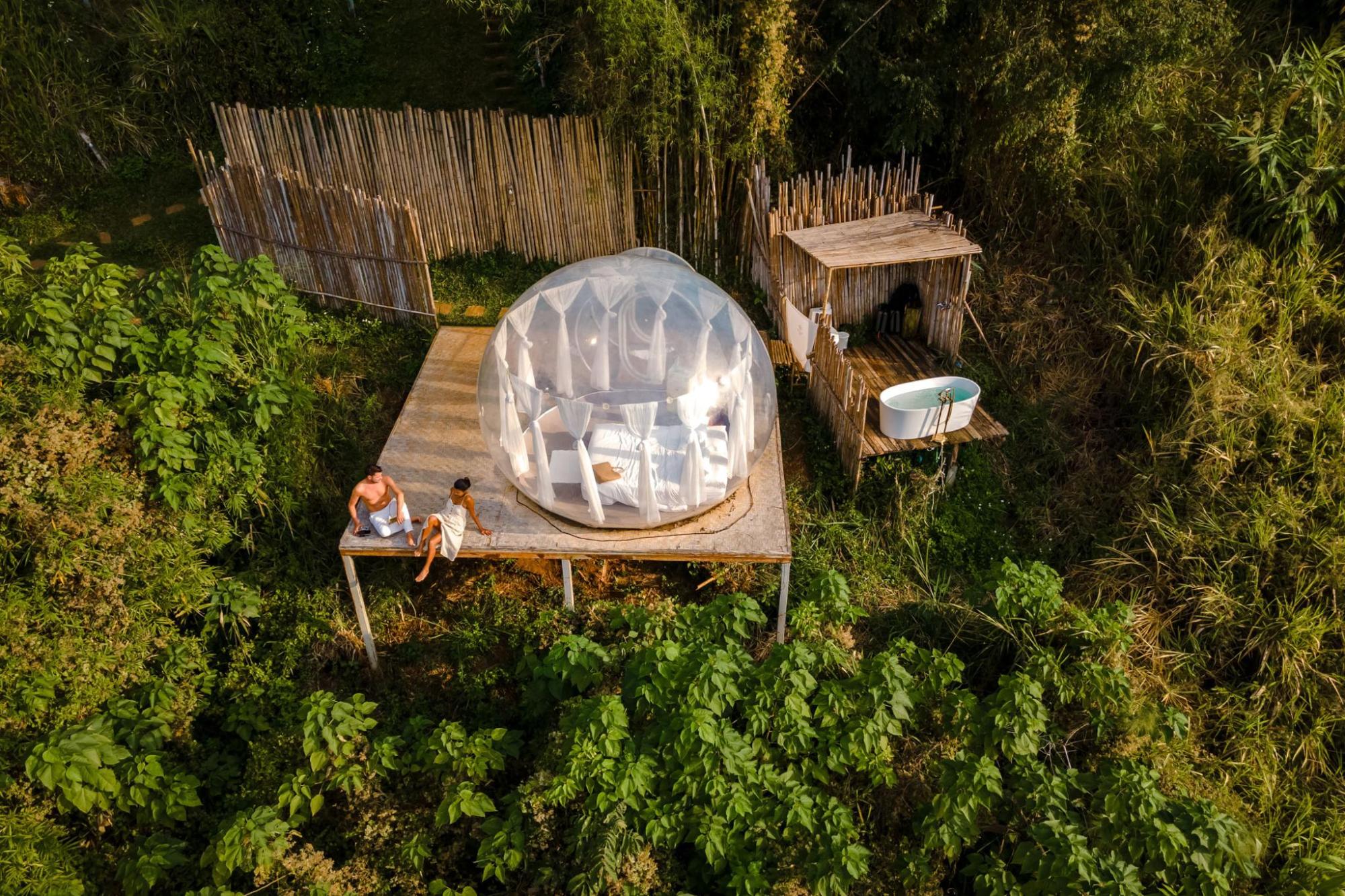
Glamping tends to be a more comfortable experience than camping. But with camping, you often have the opportunity to get a little more off-grid, and a little closer to nature.
Do you want to embrace the great outdoors on your next holiday? Switch off, get back to nature and leave the smartphone at home? Then consider camping or glamping.
Both camping and glamping give you plenty of opportunities to relax and enjoy being outside, but there are several key differences between the two. Here’s what to know about camping and glamping, so you can decide which type of outdoor holiday is right for you.
What is camping?
If you enjoy spending time in nature, partaking in outdoors activities and taking a break from screens, camping could be your dream holiday. Camping means living and sleeping in a tent, pitched in the great outdoors, for the duration of your holiday. As well as a tent, you’ll need to bring camping gear including sleeping bags, camping chairs, a camping stove, pans and utensils and more.
As a camper, you must be self-sufficient and take responsibility for your own accommodation. This means you’ll need to transport everything you need to the site, put up your own tent, blow up your own airbed, cook your own food, source your own water and clean up after yourself.
Most campers will stay on a private campsite, and these accommodations have varying levels of facilities. Some campsites boast toilet blocks, warm showers, electrical outlets, payphones, games rooms, shops, lockers, restaurants, bars and even swimming pools. On the other hand, wilder – and cheaper – campsites may not even have a toilet. Most campsites land somewhere in the middle.

Some countries allow wild camping too – although this is only recommended for those who are highly experienced when it comes to the great outdoors. During a wild camping expedition, you’ll pitch your tent in an unmanaged, remote area (essentially, not a campsite). This is an extremely freeing way to holiday, but it comes with a higher level of danger than simply setting up camp on an established campsite. It’s important to note that while wild camping is allowed in Scotland, it is heavily restricted in the rest of the UK, generally requiring the permission of the landowner.
Camping can be a lot of work, so what makes it appealing? There are lots of reasons to enjoy camping, from escaping the daily routines and taking a break from screens,to reconnecting with nature and spending time with family and friends, with no distractions. It’s also much cheaper than staying in a hotel or apartment. And for many, there’s simply nothing quite like the sheer freedom of camping.
What is glamping?
If you want all the benefits of camping, without any of the hard work, try glamping – glamorous camping. Make no mistake, glamping is camping, but with more comfortable accommodations and facilities than you would expect on a traditional campsite.
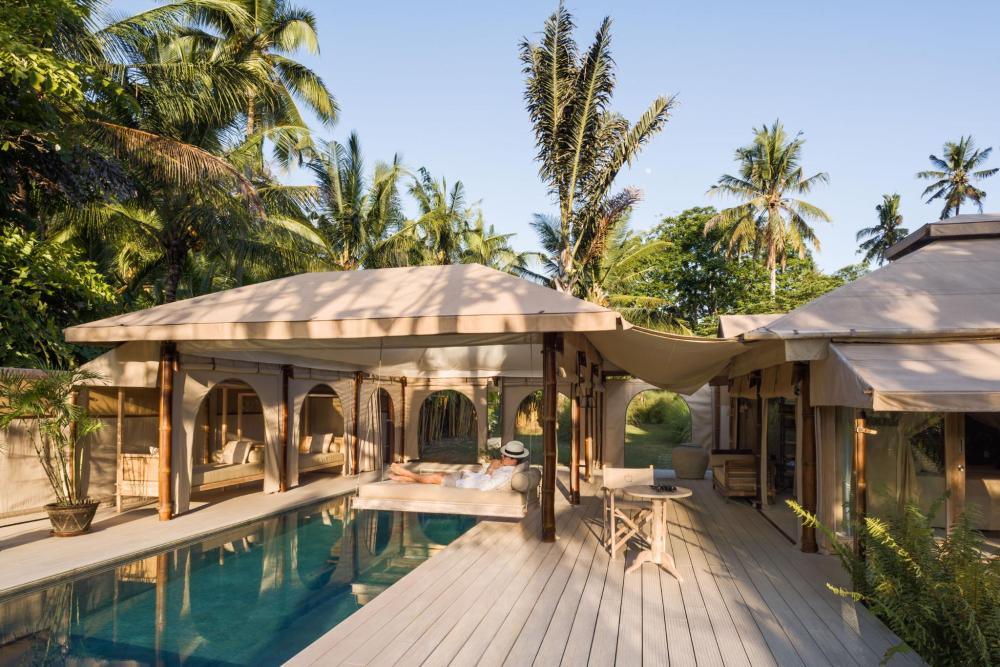
If you opt for glamping, your accommodation will already be set up for you when you arrive. This could be a tent, yurt, shepherd’s hut, treehouse, chalet or any other sort of outdoor structure.
The level of comfort varies depending on the experience you’ve booked. However, you can usually expect comfortable beds, electrical outlets, a heater or log-burner, a barbecue, and a firepit stocked with wood. Furthermore, a clean toilet block and warm showers are non-negotiables for glampers.
Glamping vs camping: what are the major differences?
Glamping and camping have plenty in common. With both types of holiday, you get to spend plenty of time outdoors, and should return home relaxed and rejuvenated. But, when choosing between the two, there are several important differences to take into account.
Here are six major factors to consider when choosing between camping vs glamping.
Cost
Camping is one of the cheapest types of holidays you can go on. Indeed, you can pitch your tent at some of the UK’s wilder campsites from around £8 per night – far cheaper than a night at a hotel, apartment or even a hostel.
In general, glamping is more expensive. However,it can still be a more affordable option than some traditional holidays. It all depends on how comfortable an experience you want.
If you’re willing to spend a bit more money on your glamping holiday, you can choose from a wider range of accommodations.
Accommodation
If you’re camping, you’re generally going to be in a tent, ranging from a one-person set-up to a large canopy that fits the whole family. But glamping accommodation is a lot more varied. Go glamping and you could find yourself waking up in a tent, yurt, pod, treehouse, shepherd’s hut, chalet or other unique outdoors structures.
For instance, you can stay in a treehouse at Humblebee Hall in Worcester, complete with a sun terrace and outdoor fireplace. Stay in this shepherds hut in Conwy Valley, North Wales, which has river views. Or head to Skipton in Yorkshire to stay in a glamping pod with a private bathroom, TV and Wi-Fi.
Convenience
Glamping tends to be the more convenient choice. On a glamping holiday, all you have to do is book your glamping accommodation, pack a bag and turn up. Depending on the site, you might need to bring your own food and drink.
There’s so much more to think about when it comes to camping. You’ve got to pack all your camping gear, work out how to transport it to the site and then set it all up (and do the reverse on the other end of your trip).
Glamping is more convenient during your trip as well. On camping trips, it can be a challenge to cook your breakfast on a camping stove on a windy morning or find your way to the toilet block in the middle of a chilly night. Even simple tasks, such as getting dressed, can be more difficult in a smaller tent.. When you’re staying in a warm shepherds’s hut with an en-suite and a kitchen, these challenges simply don’t exist.
Facilities

While glamping definitely offers more in the way of facilities within your accommodation, camping and glamping sites can vary significantly.
Some campsites come with a wide range of facilities, from on-site shops, restaurants, bars, games rooms and swimming pools to adventure playgrounds and activity centres. Many campsites will also offer a wide range of activities, such as archery, kayaking and stargazing, which can be booked at reception. On the other end of the scale, some sites offer little more than a patch of grass on which you can pitch your tent.
Many sites offer both camping and glamping experiences, so it’s just a matter of making sure you’re comfortable with the level of facilities on offer before booking your spot. It’s also worth checking what facilities are available before you book, as some glamping sites are set up on farms or in remote fields with little else around.
Experience
Glamping tends to be a more comfortable experience than camping. But with camping, you often have the opportunity to get a little more off-grid, and a little closer to nature.
However, the experience is what you make it. If you’re going glamping but want an off-grid experience, leave your smartphone in the car and spend every day exploring your natural surroundings. If you want a bit more comfort while camping but don’t want the full glamping experience, pack an air mattress, extra blankets and a hot water bottle, and opt for a campsite with plenty of facilities.
If features like a hot tub, an en suite bathroom and a fully functioning kitchen are important to you, glamping may be the better fit.

Packing lists
One major difference between glamping and camping is what you pack for your trip – traditional camping requires a much longer packing list than glamping.
Here’s a list of the essentials you’ll need for each type of trip:
Camping packing list
- Tent
- Sleeping bag (appropriate for season)
- Sleeping mat or air bed
- Pillow
- Camping stove or grill
- Fuel for stove
- Lighter and waterproof matches
- Cookware (pot, pan, spatula, etc.)
- Reusable plates, bowls, utensils
- Biodegradable soap and sponge
- Cooler with ice pack
- Non-perishable food/snacks
- Water bottles or jugs
- Water filter or purification tablets
- Clothing: moisture-wicking base layers, an insulating mid-layer (fleece/down) and a waterproof jacket
- Hiking boots/shoes
- Extra socks and underwear
- Hat and gloves
- Camp shoes/sandals
- Toiletries
- Biodegradable wipes or soap
- Towel (quick-dry)
- Sunscreen
- Bug spray
- First aid kit
- Headlamp or torch (plus batteries)
- Bin bags
- Camping chairs
- Duct tape or gear repair kit
Glamping Packing List
Your glamping packing list will vary depending on the facilities available, but here are some basics:
- Overnight bag
- Pyjamas
- Sleep mask and earplugs
- Blanket or throw
- Comfy clothing (layers depending on weather)
- Boots or trainers
- Slippers
- Sunglasses, hat and scarf
- Cosmetics
- Towel
- Food/snacks
- Wine/spirits or mocktails
- Coffee or tea
- Reusable utensils and plates
- Bluetooth speaker
- Power bank and chargers
- Books, journal, cards or a small board game
- Bug spray
- Sunscreen
Glamping vs camping: pros and cons
Still unsure whether camping or glamping is right for you? Let’s look at some pros and cons:
Glamping pros
- Comfort: this is the big glamping pro. Think real beds, electricity and maybe even a private bathroom.
- Good for beginners: you won’t need any hardcore survival skills for glamping, making it an easy introduction to the wilderness.
- Nature with added comfort: enjoy all the benefits of being surrounded by nature, without all the hard work.
- You don’t have to wait for summer: heated tents and cabins mean you can glamp all year round.
Glamping cons
- More expensive than camping: if you want a wider range of facilities and the added comfort that comes with glamping, you’ll need to pay for them.
- Less off-grid: many glamping sites come with all the facilities you would get at home (including Wi-Fi and TVs), which can make it harder to switch off.
- Not as private: you choose where to pitch a tent, but your glamping accommodation is set up for you, and is often close to other pitches.
- Less rugged experience: you might miss out on the skills and experiences you pick up when you’re truly out there in nature
Camping pros
- Low cost: campsites are often very affordable, and if you look after your camping gear well, you’ll be able to use it time and time again.
- Completely immersed in nature: there’s only a thin canvas between you and the stars, so you’ll be immersed in nature.
- Pick up life skills: you’ll learn to be self-sufficient, with practical skills like fire building, pitching tents and outdoor cooking.
- Switching off: opt for a site with no power sockets or Wi-Fi to enjoy a break from screens and the internet
- A more hands-on experience: camping might be less comfortable, but it’s definitely more of an adventure.
Camping cons
- Less comfort: camping can be comfortable, but it usually involves more basic sleeping and bathroom facilities.
- More weather-dependent:camping in the coldest months can be challenging.Try to avoid rainy days, even in summer.
- More hands-on: camping can involve cooking, cleaning and setting up your own tent.
- Not for everyone: some travellers may prefer a more comfortable option, especially on group trips.