Tips for self-contained accommodation in Australia

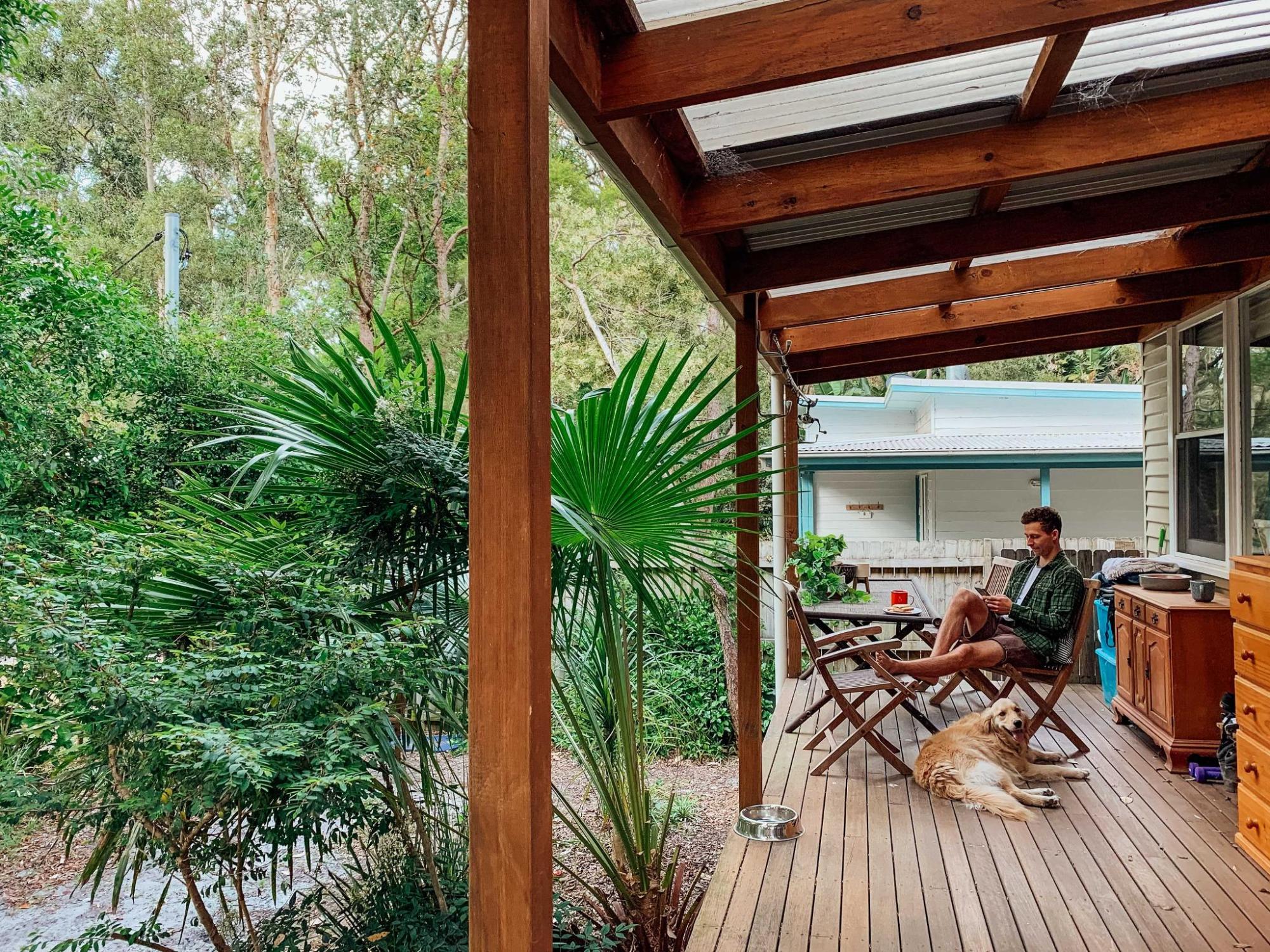
- Self-contained accommodation will usually include facilities like a kitchen and laundry
- The advantages of self-contained accommodation include being able to cook, more space for groups and more local neighbourhoods
- Be sure to check the details of self-contained properties before booking to see if there are extra fees, rules or missing facilities
Being away from home doesn't necessarily mean you have to forego all the comforts of home. Increasingly, travellers are choosing to stay in self-contained accommodation so they can still have facilities like a kitchen, laundry or separate bedrooms.
Along with holiday homes and apartments, many hotels also offer self-contained accommodation, giving travellers more accommodation options.
What is self-contained accommodation?
The idea of self-contained accommodation is that you have all the standard facilities that you would need to live at the property where you're staying.
While some properties take this to a high-end level, it can also be relatively basic.
Key features of self-contained accommodation
Not all types of self-contained accommodation in Australia will have exactly the same facilities, but they will all include some combination of these features:
- A kitchen or other ways to cook food
- A dining table or other comfortable place to eat
- Separate bedroom and living room areas
- Laundry facilities
- Cleaning products and equipment
- A secure car park (less common in city centres)
- 24-hour access to the property or room
Some of these facilities may be communal (like the laundry) but cooking areas are generally private.
Types of self-contained properties
There are several types of self-contained accommodation you’ll find in Australia:
- Holiday homes and apartments: properties that could be lived in permanently and maybe are lived in by the owner when not rented.
- Hotels: many hotels now offer rooms or suites that have facilities for longer stay, like a kitchenette.
- Serviced apartments: like an apartment block run as a hotel, every accommodation option is self-contained.
- Holiday parks: caravan parks and holiday parks in Australia often offer cabins with a kitchen and bedrooms.
Benefits of choosing a self-contained stay
Many of the benefits of self-contained accommodation will appeal to a range of travel styles.
Make the most of kitchen and laundry
Self-catering accommodation gives you the option to prepare meals in your own kitchen, which may help you manage food costs and avoid eating out every night.
Laundry services at hotels can be expensive, so having a washing machine in your accommodation may be a practical choice, particularly for longer stays.
More space and privacy for families and groups
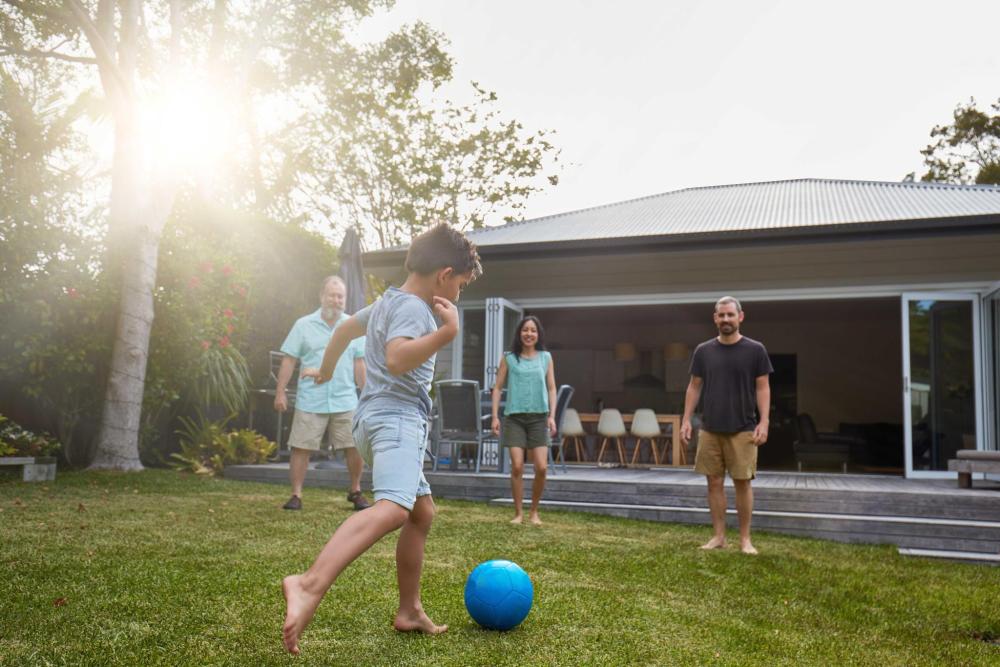
Many holiday rentals in Australia offer multiple bedrooms, allowing groups travelling together to have their own private spaces. This may be particularly useful for people travelling with children.
Another advantage of self-contained accommodation over a standard hotel room is the availability of a private lounge or dining area where everyone can gather.
Living like a local in your own space
Self-contained accommodation, such as houses and apartments, is often located in suburban areas, allowing visitors to stay in local neighbourhoods.
A house or apartment setting can feel more familiar than a standard hotel room. A kitchen allows you to shop at local markets and cook meals with regional ingredients, while a lounge room offers the opportunity to relax with friends and family.

What to check before booking
There can be some small differences in booking self-contained accommodation compared to more traditional hotels.
1. Understanding the fine print
Before you book, spend a few minutes checking the details of self-contained accommodation.
- Additional fees: as well as the nightly rate, there may be fees for things like cleaning or a fine if you don't tidy certain areas before you leave.
- Deposit: there may be a security deposit that you'll need to pay or pre-authorise on your credit card before you check-in.
- House rules: often there are rules about what you can do, such as not having parties or guests.
2. Checking for key facilities
Each self-contained accommodation property is different, so take a careful look at what will be provided.
- Kitchen: if you're planning to cook meals, consider whether there’s only a stovetop or if there's an oven too.
- Laundry: there may be a washing machine and a dryer included, just one appliance or neither.
- Other facilities: if they are important to you, ask the property if they provide things like free parking, WiFi or air-conditioning.
3. Reading reviews for a clear picture
Reading reviews is particularly important , for self-contained properties with such a range of factors involved.
- Rating: try to go beyond the overall rating and look for specifics that are important to you, such as cleanliness, noise or facilities.
- Comments: if your host is an individual owner, look for any comments about how helpful and responsive they are.
- Most recent: reviews from recent guests will often be more useful or relevant.
- Trends: try to spot any recurring opinions, rather than focusing on just a single positive or negative review.
Making the most of your stay
Although self-contained accommodation is popular with people looking for freedom and authenticity, it can involve a bit more preparation and organisation.
Finding the best location for your needs
To make the most of your time, try to find self-contained accommodation that's in an area where you want to spend time.
Generally, you'll spend more time in self-contained accommodation than hotels, so the atmosphere of the neighbourhood can make a big difference. It's worth doing some research about where exactly to stay, rather than just choosing a nice property.
Packing the right essentials
Most properties will provide essential items, but if you want to make the most of the benefits of self-contained accommodation, you can bring some extra things.
- Catering: you'll need food and drink for any meals, so consider planning menus in advance and shopping on your way to check-in.
- Essentials: basic toiletries will normally be included, but you may want to bring your own preferred products. If the property is remote, a first-aid kit and torch can be useful during emergencies.
- Home comforts: for a longer stay, you may want to bring things like a Bluetooth speaker or board games – but you can check with the host if these will be provided.
Handling check-in and check-out
In many cases, you may need to do contactless check-in at a self-contained property. If you haven't been sent instructions, get in touch with the property before you arrive.
There are several types of contactless check-in. You may be sent a code to open a lockbox with keys inside or for a keypad on the door. Alternatively, you may need to use an app on your phone as a key.
The advantage of contactless check-in is that you can arrive whenever you want and quickly let yourself in. It's a good idea to read the instructions in advance and make sure you have an emergency contact number.
Looking after the property
Self-contained accommodation usually won't have daily cleaning or housekeeping. There may not be a requirement to clean during your stay, but it's always a good idea to keep things tidy.
Take note of where rubbish should be taken and whether there will be enough bin bags and cleaning materials.
At the end of the stay, you may need to wash up any dishes, take the rubbish out or put sheets in the washing machine.