
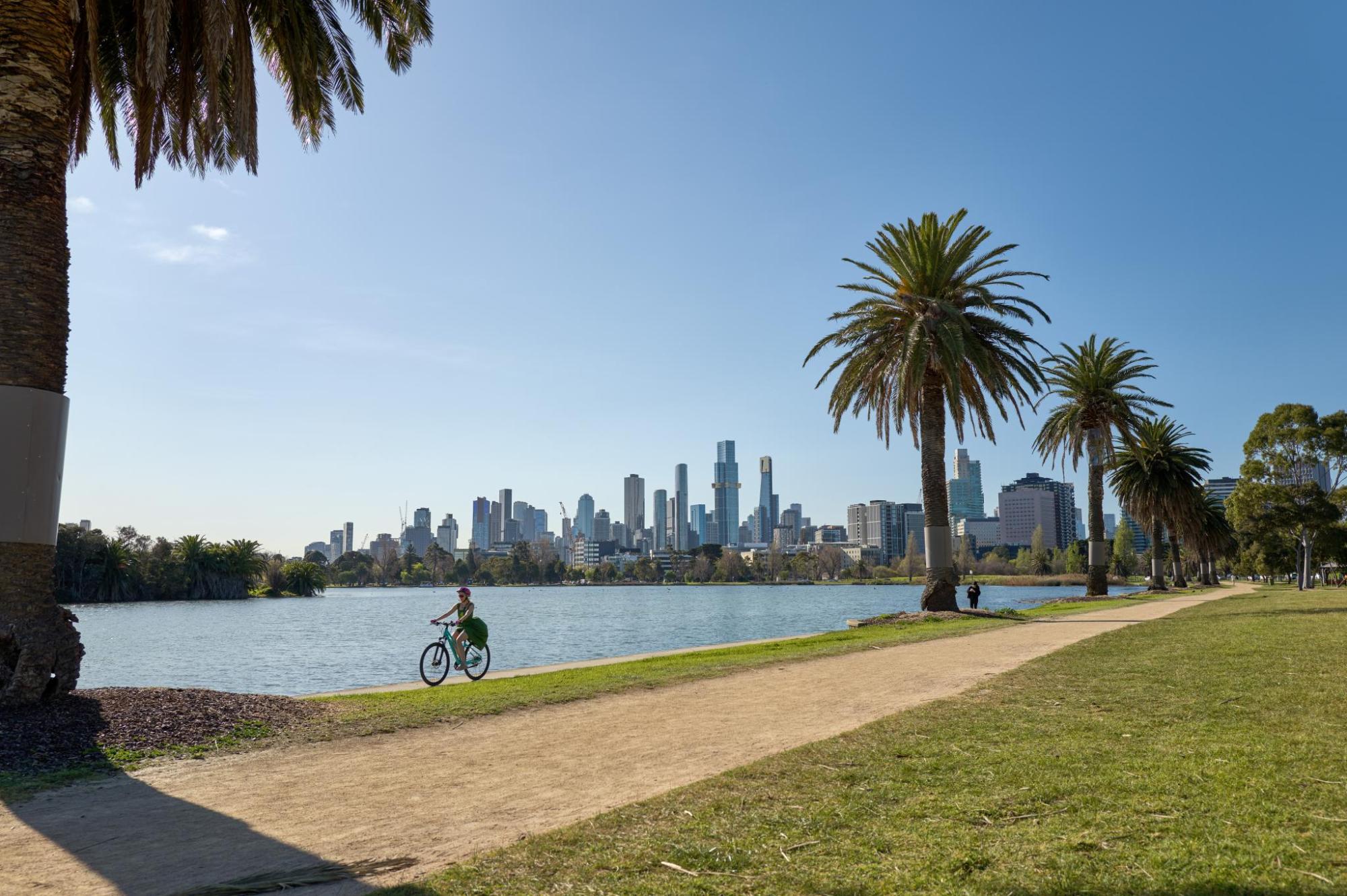
- The easiest way to get around Australia is by flying, but renting a car will let you explore a lot more
- Accommodation in the city centre is usually the most convenient, but inner-city neighbourhoods offer a more local experience
- Using sun protection and swimming between the flags at beaches are two of the most important things to do for safety
From the cosmopolitan cities to natural landscapes, there's a huge variety of things to see when you're visiting Australia. That diversity is one of its biggest appeals and with a little planning, you can enjoy everything from walking through humid rainforests to skiing in the snowfields, before sipping coffee by the beach.
To help you experience everything this enormous country has to offer, let’s have a look at some useful things to know before travelling to Australia.
When to visit Australia
The vastness of Australia means there are always huge differences in the weather across the country – when one state is wearing coats for winter, people are swimming at the beach in another. Choosing the best time to visit Australia depends on where you want to go.
Summer: peak
Australia's summer months (December to February) see warm weather and generally dry days in the southern part of the country, including Sydney and Melbourne. This makes it one of the most popular times for travellers, including for locals enjoying the long school holidays.
While summer is a great time to visit Australia’s southern destinations, the temperature can get very hot in central places like Uluru, while there’s usually heavy rainfall in northern areas like Cairns.
Autumn: shoulder
As the country comes into autumn (March to May) and the holiday period ends, visitor numbers tend to drop. But weather-wise, this is one of the best times to visit much of Australia. It's still warm and dry in the southern states, while the temperatures are pleasant in the Red Centre.
Winter: peak
The Northern Hemisphere holiday period means visitor numbers go up again during Australia's winter (June to August). The southern states are cold, but that means there's snow for skiing in the mountains of New South Wales and Victoria.
This is the perfect time of year to explore the northern states. The Great Barrier Reef in Queensland is at its best, while the national parks in the Northern Territory and Western Australia are generally all open after the wet season.
Spring: shoulder
Although the spring months (September to November) are considered a shoulder period, this is the time of the year when the weather is most suitable for visiting multiple parts of Australia. It's generally dry across the whole country, with mild temperatures in all of the popular travel destinations.
Prices tend to be a bit lower, with more availability most of the time. Accommodation may book out in Sydney and Melbourne during the busy football finals, but the cities have a fun atmosphere during those periods.

How long to stay in Australia
The long distances between Australia's main destinations make it tricky to fit a lot of sights into a short trip.
With a week in Australia, it's best to concentrate on just two regions, such as Sydney and Melbourne or the Gold Coast and Cairns. On a 10-day Australia itinerary, it's possible to comfortably do three regions, possibly adding destinations like Uluru or Kangaroo Island.
To see more than three regions at a leisurely pace, consider at least two weeks travelling in Australia. With a month, you'll be able to drive the whole way up the east coast or spend some time exploring Perth and other parts of Western Australia.
How to get around Australia
Choosing how to get around Australia will depend on whether you're just focusing on the cities and main tourist areas or whether you're planning to see the regions between them.
Domestic flights
Domestic flights offer an easy way to get around Australia without a car – and it's often the best option for people on a relatively short trip. The flight between Melbourne and Sydney or Sydney and Brisbane is only about an hour, compared to about nine hours of driving.
Australia's three main domestic airlines have regular flights every day between the country's main hubs, sometimes as often as every 15 minutes. Booking in advance will usually mean cheaper tickets, although flights at the start and end of the day are always popular for business travellers.
Buses and trains
As an alternative to flying, many of Australia's main cities and towns are connected by bus or train, but there are no high-speed services. It means travelling between Melbourne and Sydney, for example, takes about 12 hours by bus or 11 hours by train.
In most states, there are public buses or trains that connect the main hubs, as well as smaller regional areas. Many of the services are not frequent and there may only be one departure per day.
Private bus companies tend to offer more regular departures between main hubs, particularly along the popular east coast route between Melbourne, Sydney, Brisbane and Cairns.
Car rental
For visitors who want to see more than just the main cities, one of the easiest ways to get around Australia will be to rent a car. It's possible to do one-way car rental in Australia, which is a convenient way to travel between different areas without needing to do a long drive to return the vehicle.
Car rental may be a more affordable option than flying, especially for families or larger groups. But it also lets you stop in smaller towns, national parks and remote beaches that aren't serviced by public transport.
Even for travellers basing themselves in a city, a car offers the opportunity to do day trips and explore sights in the surrounding region.
Ferries and boats
There are also some situations where ferries and boats will be an option for travelling around Australia. This can be especially convenient for people who want to take their vehicle with them.
The Spirit of Tasmania is a passenger and vehicle ferry that connects the country's island state with the mainland. It goes between Geelong in Victoria to Devonport in Tasmania and takes about ten hours, normally overnight.
Another popular passenger and vehicle ferry is the SeaLink between Cape Jervis on the South Australian mainland and Penneshaw on Kangaroo Island. It takes about 45 minutes.
Other popular tourist destinations that are connected to the mainland by ferry include Magnetic Island and K'gari in Queensland, Rottnest Island in Western Australia, Bruny Island in Tasmania and the Tiwi Islands in the Northern Territory.

Where to stay during your trip to Australia
In most Australian cities, a lot of the accommodation options will be in the city centre, known as the Central Business District (CBD). But there are also convenient neighbourhoods that offer a more local atmosphere.
- Sydney: the inner-city suburb of Surry Hills is just a short walk from the CBD and has a good range of boutique hotels amongst trendy restaurants and wine bars.
- Melbourne: the beach suburb of St Kilda is about seven kilometres from the CBD and puts you in the heart of a relaxed area known for its live music.
- Brisbane: the city's nightlife district of Fortitude Valley has evolved into a sophisticated area with cocktail lounges, upmarket dining and boutique stores.
- Perth: although it's technically a separate city, Fremantle feels like an extension of Perth and is packed with heritage, markets and water views.
Essential things to know about Australia
To make your trip even easier, you might like to consider some of these top travel tips for Australia.
Strict bio-security laws
Australia has strict biosecurity laws and there are lots of things you can't bring into the country. Various fresh or raw food products are not allowed, like meat, eggs, fruit and vegetables – although some commercially packaged food is fine, like biscuits and chocolate, but they still need to be declared
You will also need to declare if you're bringing in things like animal products, wooden items or soil attached to shoes. This will then be checked by officials.
There are no penalties for declaring items, even if they are not allowed in. But there are heavy fines if you don't declare any items that are listed on the incoming passenger card you'll be given to fill out.
What to pack
You may need to bring a power adaptor for electrical items. Australia uses a Type I adaptor with three flat and angled pins.
If you're travelling across Australia to multiple destinations, you may need clothes for different climates because there can be a big difference in temperatures within the one country.
It's also a good idea to bring good walking shoes and a refillable water bottle, because a lot of the activities in Australia involve being outside for long periods and some areas may have limited access to shops or drinking water.
Sun safety
One of the most important things you'll need in Australia is sun protection, because the high UV levels mean you can burn quickly.
It's recommended you wear a hat, long sleeve clothes and sunglasses whenever you are outside during the day. But sun cream is also very important. Most Australian sun cream has a rating of at least SPF 50 and is specially formulated for the local sun.
Beach safety
Australia's thousands of beaches are often a highlight of visiting the country and the most popular ones usually have surf life savers. They use red and yellow flags to mark the edges of the area they're patrolling. This is normally the safest stretch of water that day, so always swim between the flags. If there are no flags, the beach is not being patrolled and swimming is not recommended.
Most people leave their belongings on the sand when they go into the water for a swim or a surf. Although most Australian beaches are very safe and theft is rare, try to avoid leaving things like passports on the beach.
Wildlife safety
Seeing some of the unique wildlife is another highlight in Australia, but the country does have some wildlife you need to look out for – although they are mostly in rural areas and not in the main cities. Some considerations include:
- If you're in the bush, check your shoes for spiders before putting them on and don't put your hands into space you can't see, like boxes on farms
- When you're bushwalking, tread loudly and keep your eye on the path for snakes
- It’s best to avoid feeding and petting animals like kangaroos
Country size and distance
The vastness of Australia – about 4,000 kilometres wide and long – means travellers need to consider how long it takes to travel around the country. Planning a multi-destination trip for a short stay can mean spending much of the time in transit.
If you're travelling by car, there's likely to be some long drives. It's a good idea to have some water and snacks in the car in case of emergencies, because not all areas have mobile phone reception.
Especially on quieter country roads, you should be careful driving at dawn and dusk because that's when the wildlife is most active and it's common for kangaroos to jump on the road.
Tipping and payments
The most common payment method at all businesses is tapping a card and you'll need to be able to do that when you're visiting Australia. Using cash is rare and small businesses are not legally required to accept physical money – with the exception of essential services like supermarkets and petrol stations.
Tipping is not common in Australia and is not expected in most situations, including taxis, housekeeping or tours.
If you want to show your appreciation at a restaurant, you can tip about 10% of the total bill. Some restaurants will add a service charge for large groups – you can usually find this on the menu. There may also be a surcharge on weekends and public holidays.
Early risers
Compared to many other countries, Australians generally start their days early. Especially in the cities or near the beaches, cafés can open at about 6:00 because there will already be lots of people walking or swimming.
Because they open early, cafés will often close early and it can sometimes be hard to find a coffee after 14:00. Restaurants often start serving dinner from about 17:30, with 19:00 an average time to eat. In the inner-city areas of Sydney and Melbourne, there will also be later options available.
Indigenous culture
There are several ways that the original inhabitants of Australia refer to themselves – generally as Indigenous, First Nations or Aboriginal and Torres Strait Islander. People may also refer to themselves by their nation, of which there are more than 250 across Australia.
You'll likely hear a mark of respect to the traditional custodians at the start of official events, tours or flights. An Acknowledgement of Country can be given by anyone and is an informal recognition of the local First Nation. A Welcome to Country is more formal and is delivered by a Traditional Owner or Local Elder.

Top things to do when visiting Australia
Although there are lots of things to do in Australia, these are some of the most iconic experiences.
- Sydney Harbour Bridge: a pedestrian walkway takes you across the bridge for free at street level, but the best views are from the very top on a tour.
- Melbourne's laneways: the small lanes in central Melbourne capture the essence of the city, with trendy cafes, boutique shops and walls covered in street art.
- Great Barrier Reef: take a boat ride from Cairns out to the reef to snorkel over the colourful coral or perhaps stay overnight on one of the islands in the Whitsundays.
- Uluru: sunrise and sunset are the most beautiful times to see the enormous red rock in the centre of Australia, where you can also learn more about the local Indigenous culture.
Australia travel tips: hidden gems
Beyond the icons, Australia's other regions have lots of things for visitors to discover:
- Barossa Valley: just an hour by car from Adelaide, this beautiful wine region is famous for its historic wineries, boutique accommodation and high-end dining.
- Rottnest Island: catch the ferry from Perth or Fremantle to see the cute quokkas that live on the island or spend your time relaxing at the beaches or exploring the heritage.
- MONA: this art museum in Hobart is known for boundary-pushing exhibitions and hosting a large art festival during Tasmania's winter.
- Parliament House: the public are welcome to visit many parts of Australia's Parliament House in the capital, Canberra, which also hosts regular exhibitions and events.

The slower, the better
Many of the highlights of visiting Australia are better described as experiences, rather than sights. From the trendy inner-city neighbourhoods of Melbourne and iconic harbour of Sydney, to the beauty of the Great Barrier Reef and the red desert of Central Australia, you'll usually get more out of your stay by giving yourself time to discover.
Instead of spending much of your trip rushing between different destinations, consider focusing on a limited number of regions or doing a road trip so the travel becomes part of the experience. Using cities like Sydney, Melbourne, Brisbane or Cairns as bases lets you explore all the wonders within easy reach.