
- You’ll need the Myki travel card to pay for public transport in Melbourne, except in the free tram zone in the city centre
- Melbourne’s weather is very unpredictable so pack for any situation, regardless of the time of year
- Explore the coffee culture, street art and love of footy to understand more about Melbourne
Although it has long been considered the younger sibling of Sydney, Melbourne has grown so fast over recent years that it's close to becoming Australia's largest city. Visitors will find this cosmopolitan energy in the laneways of the city centre, the trendy inner suburbs and even out in the surrounding wine regions and natural attractions.
To make the most of your time in Melbourne, there are some useful things to know that will help you get around the city and safely explore all of its colourful neighbourhoods. Wondering where to stay in Melbourne? Or what to do in Melbourne? We've got you covered.
When to visit Melbourne
Of Australia's main cities, Melbourne has one of the biggest differences in weather, with hot summers and wet winters having an impact on what activities you might be able to do.
Summer: peak season
Melbourne's summer, between December and February, is one of the busiest times of the year. It can get very hot on occasions, but generally the weather is warm and sunny. The social season around Christmas and New Year brings crowds to the city centre, while January's school holidays can mean accommodation and attractions are busy.
Autumn: shoulder season
One of the nicest times to visit Melbourne is between March and May, with pleasant autumn weather and fewer crowds than summer. There are several festivals in Melbourne during March and April, so it's a good idea to book accommodation well in advance.
Winter: off-peak season
Melbourne's winters have a reputation for being cold and dreary, so it might not be the best time for outdoor activities. But so much of Melbourne's activities are indoors that the weather can be a good excuse for some relaxed days. You'll find good prices for accommodation, while a winter arts festival and AFL games at the MCG offer fun local experiences.
Spring: shoulder season
Another nice time of year to visit Melbourne is spring, with great conditions for things like a river cruise or watching penguins. Keep in mind, though, that some of Melbourne's biggest events take place in the spring, including the AFL finals and the Spring Racing Carnival's Melbourne Cup horse race, so accommodation fills up early.
How long to stay in Melbourne
There is lots to see in Melbourne and you'll need a few days just to scratch the surface, whether that's exploring the street art, the museums, or the restaurants. You will also get more out of your visit if you have time to relax in a café, wander through a gallery or catch some live music.
The city is also a good base for day trips in the region, so if you've got time for a 7-day itinerary in Melbourne, you'll be able to visit the Yarra Valley and Phillip Island.
How to get around Melbourne
There are a few good ways to get around Melbourne. Public transport, including the iconic trams, are convenient in the city centre but you may find driving is better for longer distances.
Public transport: Myki card
Melbourne's public transport system covers most of the city and it's a convenient and affordable way to get around. This includes the world's largest tram network, with about 500 trams on 24 routes, which are often a tourist attraction in themselves. There are also 16 train lines that go from the city centre to the suburbs and about 300 bus routes.
To use Melbourne's public transport, you need to use the official Myki transport card because there are no paper tickets and you can't tap a credit card. The Myki costs AUD6 for an adult and AUD3 for a concession and can be bought from train stations. You can then top it up and tap on and off whenever you take a bus, tram or train.
However, there's one exception - the trams within the city centre are free and you don't need to tap on with a Myki unless you're staying onboard beyond the official Free Tram Zone.
Details from the Transport Victoria website in March 2026.
Airport SkyBus
There are a few ways to get from Melbourne Airport to the city, but a popular choice is the SkyBus. Because there is no other direct public transport, it is a more cost-effective option than a taxi or rideshare if there are fewer than four people in your group.
The SkyBus runs between the city and the airport every ten minutes during the day (and every 15 minutes before 06:30 and after 19:00) and takes about 30 minutes. You have to buy a separate ticket for the bus because it is not part of the Myki public transport system.
Taxi and rideshare
There are lots of taxis in Melbourne and they are an easy way to get around the city. You can hail them on the street or find them at taxi ranks outside some train stations or landmarks. All taxis have to use a meter and you'll be charged based on distance, plus any extra fees or tolls.
Several rideshare companies also operate in Melbourne and can be slightly cheaper than a taxi if the price is not surging. Both taxis and rideshares will be significantly more expensive than buses, trains or trams, especially for longer trips because public transport has a single fixed fare regardless of distance.
Car rental
Although many of the main things to do in Melbourne are easy to access from around the CBD, Melbourne stretches out over quite a large area. If you're planning to explore further or want something more comfortable than public transport, you can hire a car in Melbourne. It can be picked up at the airport or at one of the city offices.
Another advantage of hiring a car is the opportunity to do day trips to places like the Yarra Valley wine region or the picturesque Phillip Island, where you would otherwise need to take a tour.
Where to stay during your trip to Melbourne?
For people visiting Melbourne for the first time, it makes sense to stay in a central area because the transport is convenient and that's where most of the sights are. Even then, there are several good areas to stay in Melbourne that are central and have unique atmospheres.
- CBD: the Central Business District (CBD) is the busiest part of Melbourne and has a lot of accommodation, from hostels to five-star hotels, plus a wide range of things to do and places to eat.
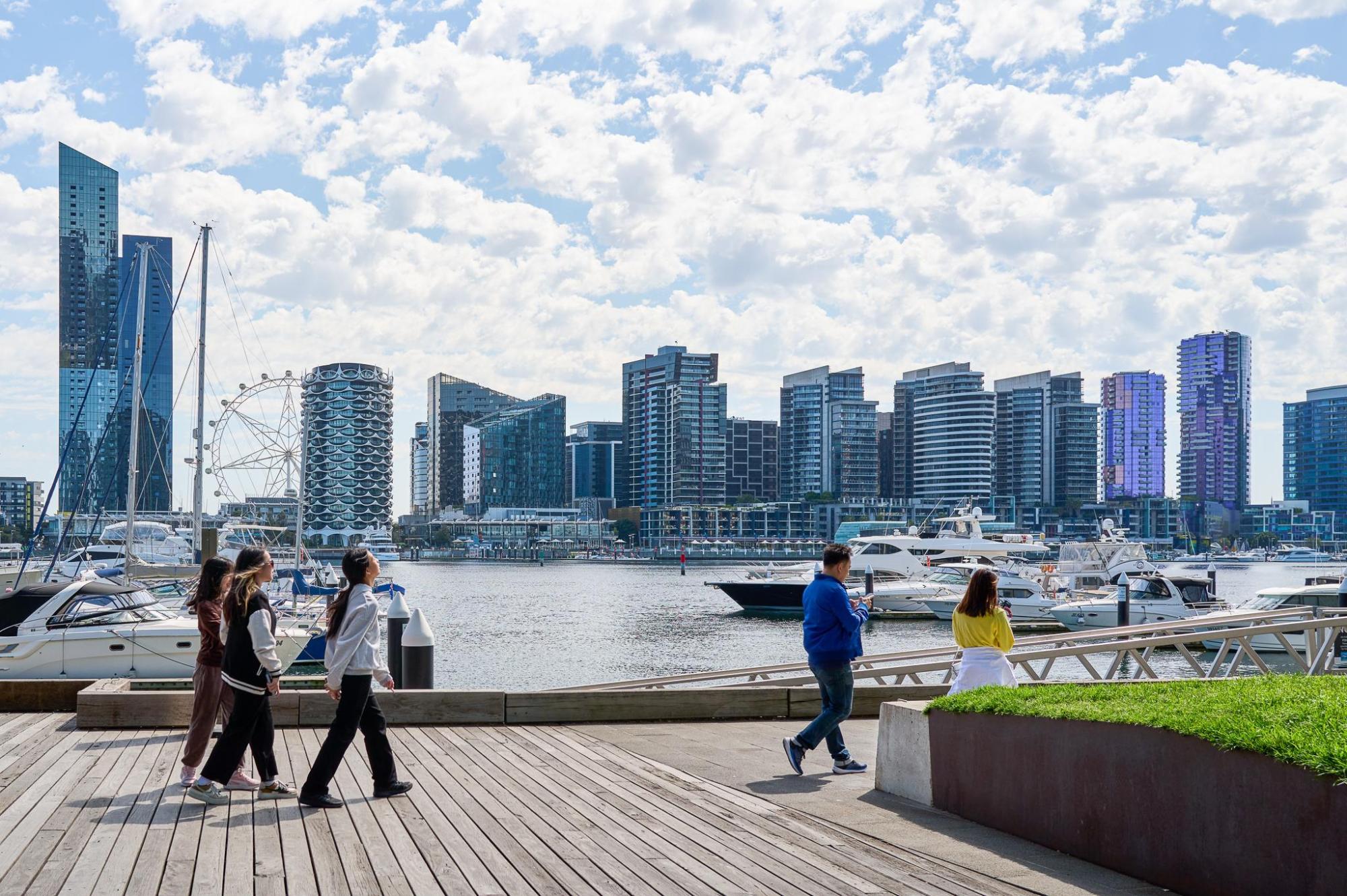
- Southbank: just across the river from the CBD, this modern entertainment precinct has a focus on bars and restaurants, with upscale hotels offering nice views back across to the city.
- Fitzroy: along with the adjacent suburb of Collingwood, this bohemian inner-city neighbourhood will feel a bit more local but is still full of restaurants and bars and just a short tram ride to the CBD.

Essential things to know about Melbourne
There are a few more things to know that will help you make the most of your time in Melbourne, including understanding a little bit about its culture.
Laneways
The central part of Melbourne has lots of narrow laneways perpendicular to the main streets. Over time, they've become full of colourful artworks, cafés and other small businesses.
Exploring these laneways is one of the best things to do in Melbourne, but it's worth remembering they are also used by locals. In the narrow alleys, walk on the left to avoid blocking other pedestrians. In the ones that also have traffic, keep an ear out for delivery trucks and motorbikes.
Many of the cafes have limited space and are designed more for takeaway coffee. But if you can find a seat, feel free to sit while you have your drink and watch the hum of daily life.
Creative culture
Along with its coffee culture, Melbourne is considered to be one of the most artistic cities in Australia. You'll probably notice many walls in the city centre and nearby suburbs are covered in paintings. These are not graffiti but street art, often commissioned by the councils or companies that own the building.
If you like live music, you'll find a lot of opportunities to see small bands at local venues like pubs in the inner-city suburbs. There will generally be a small entrance fee of around AUD15 to get in.
Footy culture
In Melbourne, 'footy' means AFL (which stands for Australian Rules Football). It's a fast-paced game of four quarters where players can use their feet and hands to get the ball through the goalposts. If you're visiting during the footy season, from March to September, it's well worth seeing a game at the MCG.
It's also important to understand that footy is taken very seriously in Melbourne. Most people follow a team and can be very passionate about how it's going, so you'll likely see flags and jerseys during the season. Don't be afraid to ask about someone's team as a way to start a conversation.
Tipping
Tipping is not expected in Melbourne, especially for situations like taxi rides, takeaway food or housekeeping. Generally, the only time people might leave a tip is at a restaurant, and that would normally be about 5% or 10%.
However, because Melbourne has such a strong coffee culture, you may be more likely to see a tip jar at a cafe than in other parts of Australia. Dropping a coin in the jar is a way to show your appreciation, but it's not mandatory.
Hook turns when driving
While most of the standard Australian road rules apply in Melbourne, the city has one unique rule that you'll need to know if you are renting a car in Melbourne. It's called a 'hook turn'.
The hook turns only happen in the CBD and they're for intersections where waiting to turn right would mean you're blocking a tram's path. If you need to do this, there will be a sign that says "right turn from left only". In this situation, you have to drive into the intersection and wait on the very left until the light turns green for the street you want to turn into.
Sun safety
Australia's sun is very strong and even though Melbourne's air temperature can sometimes be quite cold, you can still get burnt. Whenever you are outside, you should consider sun protection, including long-sleeve clothing, a hat and sunscreen with at least SPF 30.
Stay safe
By international standards, Melbourne is a safe city, but there are still precautions you should take to look after yourself. Always cross the road at traffic lights or official crossings (especially if you're not used to trams), avoid walking alone in dark areas at night and keep your wallet or purse securely on your body.
The tap water in Melbourne is safe to drink and there's no need to use bottled or filtered water. And if you visit any of the surf beaches around Melbourne, be sure to swim between the red and yellow flags because that's the area being patrolled by lifesavers.
What to pack
Even in seasons where you might expect warm and sunny days, Melbourne's weather can be very unpredictable. At any time of the year, it's worth bringing some warm clothing and an umbrella or rain jacket.
Melbourne is also considered to be a very stylish city. While the dress code can be quite casual in many Australian cities, people in Melbourne are more likely to wear nicer clothing for an evening meal or the theatre, so you may want to pack accordingly.
Top things to do when visiting Melbourne
Even if it's just the coffee, art and footy, it's easy to fill a 7-day itinerary in Melbourne exploring all the local culture. But if you're just visiting for a few days, these are some of the best things to do:
- Yarra River cruise: departing from the central Southbank precinct, the boat will take you along Melbourne's main waterway to see sights like the Royal Botanic Gardens, with commentary covering the city's history.
- National Gallery of Victoria: commonly known as the NGV, the gallery in Federation Square focuses on Australian art, while the main building near Southbank has an extensive collection of international masterpieces.
- Phillip Island day trip: you can go with a tour or drive the 90 minutes yourself to see things like koalas in eucalyptus trees, a dramatic coastline and the famous parade of little penguins at sunset.
Melbourne travel tips: hidden gems
If you've got a bit more time when visiting Melbourne, there are some interesting experiences that will give you different perspectives of the city.
- The Melbourne Cricket Ground (MCG): with AFL (Australian football) such an important part of Melbourne's culture, take a behind-the-scenes tour of the stadium where many of the games are played and also learn about its cricketing heritage.
- Sunrise balloon ride: Melbourne is the world's only major city that you can ride a hot air balloon over, so join a sunrise tour for incredible views.
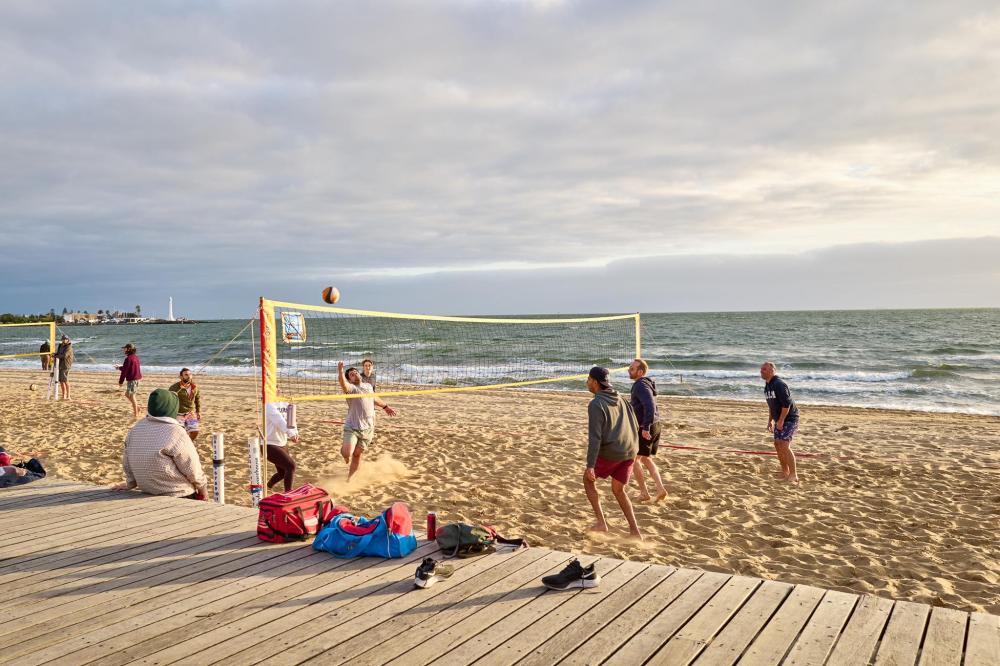
- St Kilda: the main beachside suburb of Melbourne, St Kilda has live music, the iconic Luna Park theme park and even a penguin colony.

Coffee, culture and some footy
Now that you're prepared with all this Melbourne travel advice, you can visit and decide for yourself whether Melbourne really does feel more European than other Australian cities, as many people say. Take your time to explore the art and cafés of the different neighbourhoods, soak up the culture or go to a footy match, and you should get to know the city really well.
Disclaimer: the views and opinions expressed are those of the author and do not necessarily reflect the official policy or position of our company.