Hotel guest privacy rights: Cleanliness, privacy, and safety

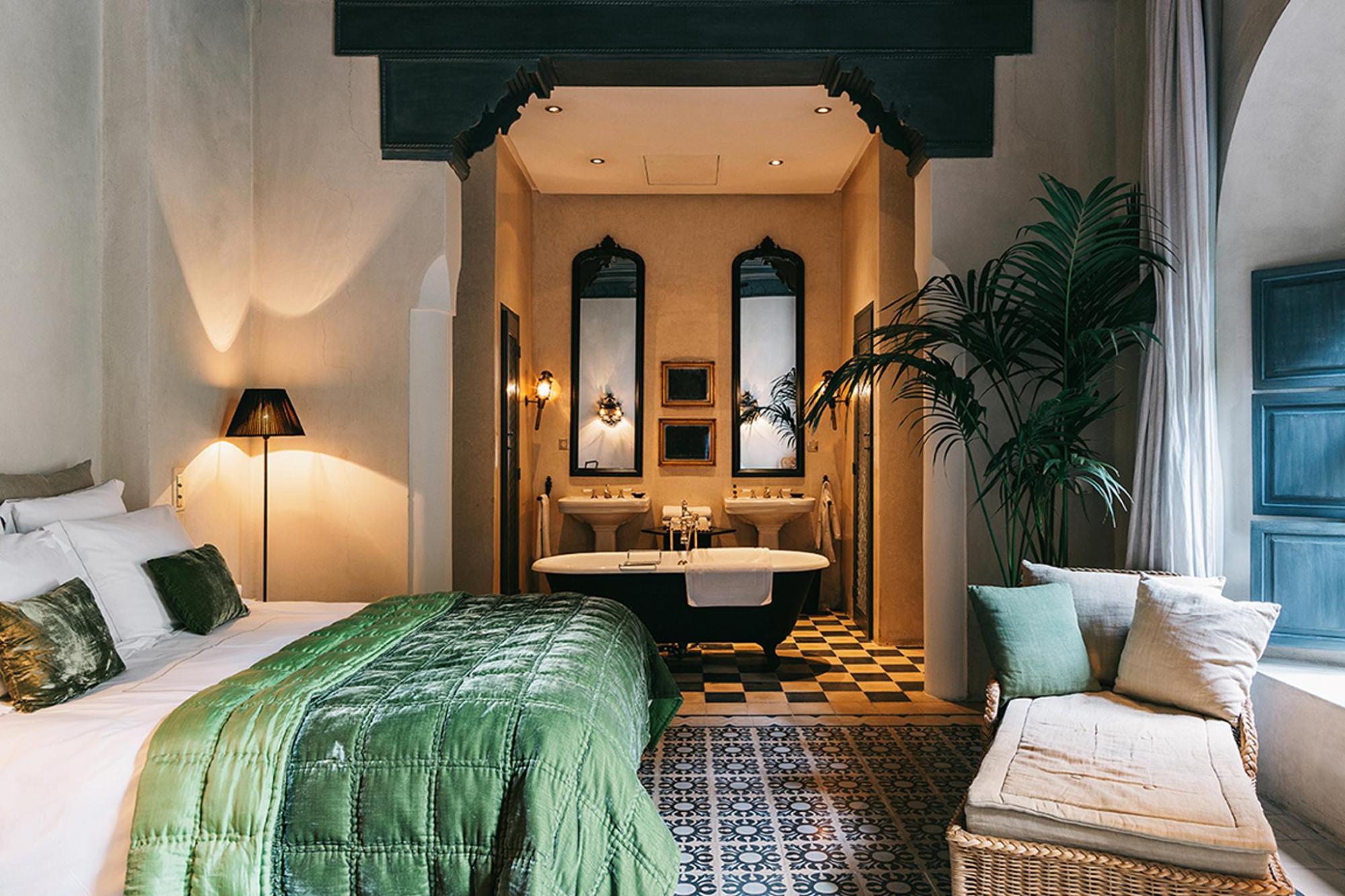
- Cleanliness: Your right to a hygienic and well-maintained room
- Privacy: Protection from unauthorized entry or data misuse
- Safety: Hotel obligations for security and emergency measures
When traveling, a hotel stay should be a seamless experience, giving you peace of mind. However, there are times when understanding your hotel guest privacy rights can make a significant difference.
Whether it's concerns over cleanliness, your right to privacy or ensuring your safety while staying at a hotel, understanding the relevant laws and standards will enhance your travel experience.
This guide delves into your rights as a hotel guest, covering cleanliness expectations, privacy regulations, and safety laws, so you can navigate your stay without worry. Let's break down these crucial aspects in detail and explore the legal protections available to you.
Your rights to cleanliness: What you’re entitled to
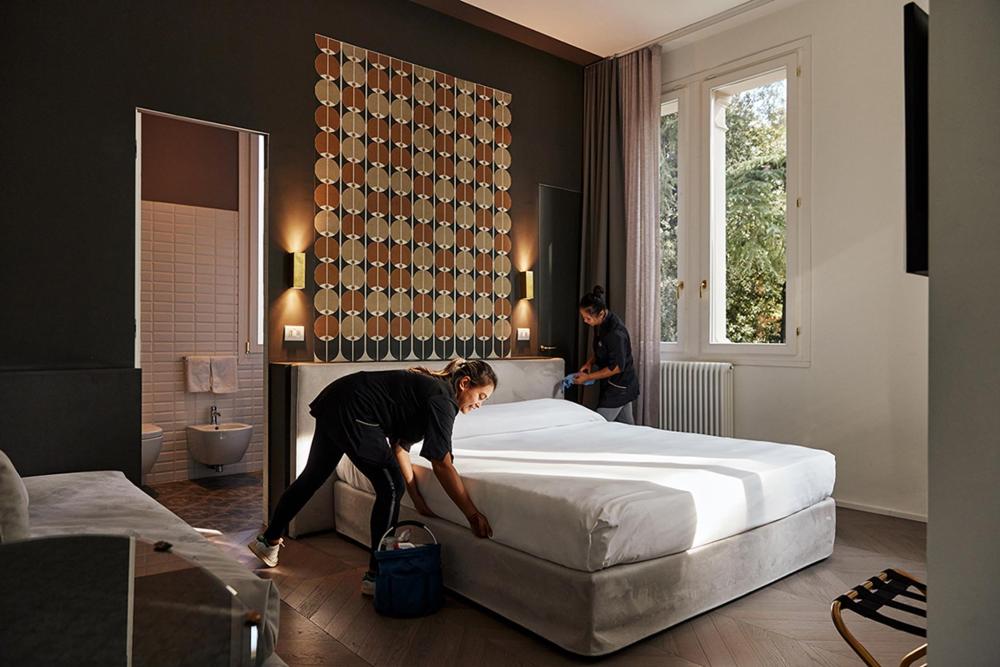
When booking a hotel, cleanliness is one of the top concerns that affect guest satisfaction. Your right to a clean and well-maintained room isn’t just a courtesy but a requirement under various hospitality standards and laws. Here’s a deeper dive into what you are entitled to when it comes to cleanliness during your hotel stay:
A clean room
A hotel room should be clean, comfortable, and hygienic from the moment you walk in. This includes, at the very least:
- Fresh linens and bedding: Sheets, blankets, and pillowcases should be freshly laundered.
- Vacuumed floors: Carpets and floors should be clean and free of dirt or debris.
- Sanitised bathrooms: Toilets, sinks, baths, and showers should be properly sanitized. Towels should be fresh and toiletries should be provided as advertised.
- No unpleasant odors: Any unpleasant smells such as mildew, mold, or stale air should be addressed immediately.
If your room doesn’t meet these basic cleanliness standards, you have every right to ask the hotel management for a room change or to request that the issue be fixed immediately. This could mean sending the cleaning staff back in or offering you a different room entirely. If the hotel refuses to meet these requests, you may be entitled to a refund or partial refund for your inconvenience.
Cleaning frequency and housekeeping services
In addition to the initial cleanliness, you have the right to expect regular housekeeping during your stay unless you opt out. You can request cleaning services as needed, though you’re also allowed to decline housekeeping if you wish. If you have special needs, such as for hypoallergenic cleaning products, notify the hotel in advance. Many hotels will accommodate such requests.
Access to amenities advertised at booking
When booking a room, you expect the amenities advertised to be available during your stay. This includes things like access to the pool, gym, restaurant, or spa. If a hotel advertises these amenities but they’re unavailable due to maintenance or other issues, you have the right to be informed in advance. Ideally, the hotel should provide compensation, such as offering access to nearby amenities or a discount for your stay.
Your rights to privacy: What you’re entitled to

Privacy is a fundamental right that every hotel guest is entitled to and hotels must adhere to strict standards to protect it. As a guest, your privacy should be respected in all aspects of your stay, from the moment you check in to the time you check out.
Privacy in your room
First and foremost, you’re entitled to privacy inside your hotel room. This means that hotel staff aren’t allowed to enter your room without your permission, unless there’s an emergency or you’ve arranged for services such as housekeeping or maintenance.
If a hotel employee enters your room without permission, you should immediately contact hotel management to report the incident. If you feel your privacy has been violated, you may be entitled to compensation or a change of room.
Hotels are legally bound to inform you if someone is entering your room – this includes cleaning staff, maintenance workers, or anyone who needs to access your room for a scheduled reason. If you haven’t consented to entry, you’re within your rights to refuse it.
Surveillance limitations
Surveillance in hotel rooms is strictly prohibited. While many hotels do have security cameras in public areas such as hallways, lobbies, and parking lots, there should never be any form of surveillance within your room. Some hotels may have security cameras in hallways for safety reasons, but you should be informed of this in advance. If you suspect you’re being monitored inside your room, you can report it to hotel management and local authorities. In many countries, this is a serious violation of privacy laws.
Declining housekeeping services
As a guest, you have the right to decline housekeeping during your stay. If you prefer to have fewer intrusions, just place the “Do Not Disturb” sign on your door or inform the hotel staff of your preference. In fact, many hotels have introduced policies to respect guests who want fewer housekeeping interactions offering more flexibility with room cleaning schedules.
Digital privacy: Securing your personal data
Hotels are expected to provide secure digital services, including Wi-Fi networks. However, unsecured or public Wi-Fi networks can leave your personal data vulnerable to cyber threats. Many hotels offer free Wi-Fi, but it's essential to be cautious when using these services.
Furthermore, your personal information should never be shared or sold without your consent. When booking a hotel, make sure you’re aware of their privacy policy and how your data will be handled. If the hotel requires information such as your identification or credit card details, they should secure that data appropriately.
Clear communication before staff enter your room
If staff need to enter your room for maintenance or any other service, they’re required to notify you in advance. This allows you to prepare for the visit and ensures there’s no surprise entry while you're in the room. If staff fail to inform you of their entry or if you feel that your privacy has been compromised, you should raise this concern with management.
Safety laws: What you’re entitled to
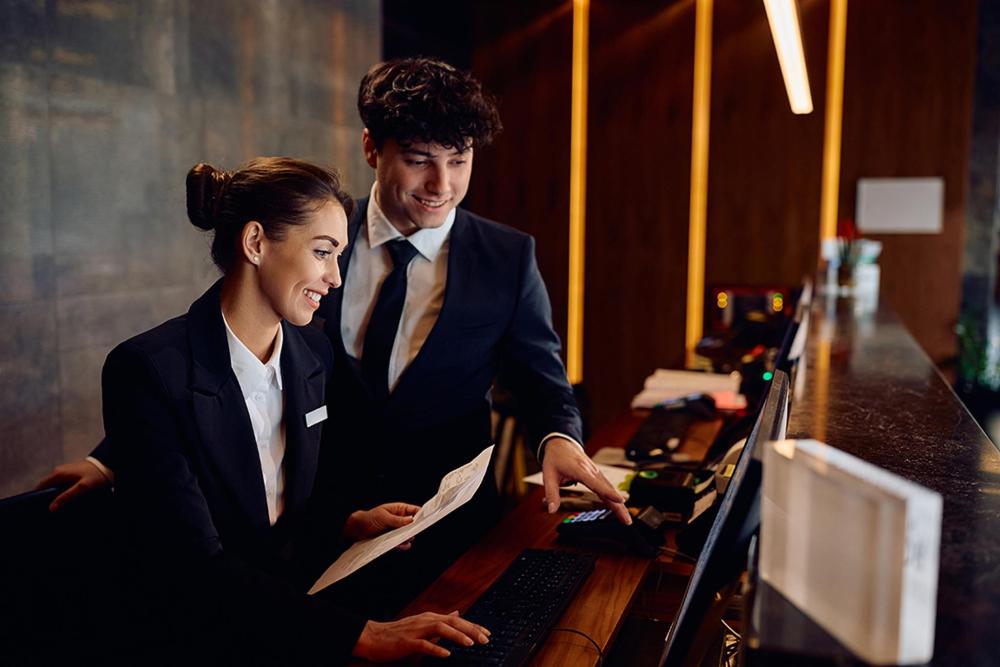
Making sure your safety during your hotel stay is non-negotiable. Hotels are required to comply with strict health and safety regulations to protect their guests. This includes measures to safeguard you from physical harm, emergencies, and any hazards that could arise during your stay.
Protection from physical harm
Hotels are obligated to provide a safe environment for all their guests. This includes making sure:
- Room locks are functional: All doors should have working locks and it’s your right to request additional security, such as deadbolts or security chains.
- Proper lighting: Hotels must maintain well-lit hallways, stairwells, and parking lots to prevent accidents or security issues.
- Safe staircases and elevators: Elevators should be regularly inspected and stairwells should be free of obstacles. If you find broken lifts or unsafe staircases, notify the hotel immediately.
If you’re physically harmed or endangered due to the hotel’s negligence in meeting these basic safety requirements, you have the right to seek compensation.
Secure accommodation
You’re entitled to secure accommodations. This includes ensuring that:
- Public spaces are monitored: Hotels often have security personnel to patrol the premises. If your safety is compromised in any way, you can contact security immediately.
- Parking is safe: If you’re driving, the hotel should offer secure parking with adequate surveillance.
- Room safes: Many hotels provide in-room safes for you to secure valuables, such as passports and electronics. If your valuables are stolen due to hotel negligence, you may have a case for compensation.
Compliance with health and safety regulations
In addition to physical safety, hotels must adhere to health and safety regulations. These regulations include:
- Proper fire exits and emergency evacuation procedures: Hotels must be equipped with clear and accessible fire exits. Emergency procedures should be communicated to guests upon check-in, including the location of exits and fire alarms.
- Sanitation and hygiene standards: The hotel must meet sanitation standards, including regular inspections of water quality, air quality, and the cleanliness of public toilets.
- Building integrity: The hotel should be structurally sound, making sure there are no risks such as collapsing ceilings, exposed electrical wires, or other hazards that could compromise your safety.
If you notice any safety hazards during your stay, you should report them immediately to the hotel’s management. Your safety and the safety of other guests are a priority.
You can improve the experience for everyone by addressing your rights
By addressing issues like cleanliness, privacy, and safety, guests not only ensure a more comfortable stay but also actively contribute to improving hotel standards. For example, advocating for sanitization of high-touch areas or notifying management about safety violations can prompt immediate corrective action, ensuring both current and future guests benefit from a better experience.
Understanding these rights and responsibilities is key to navigating hotel stays with confidence, helping you maintain control over your environment and making sure your hotel experience is as safe, clean, and private as possible.

FAQs: Common questions about hotel guest rights
Can you get a refund for a dirty hotel room?
Yes, you are entitled to a clean room. If your room isn’t cleaned properly or if there are significant cleanliness issues, you can ask for a room change or even request a refund. Many hotels will offer compensation, such as discounts or room upgrades, in such cases.
What should you do if your privacy is violated in a hotel?
If you believe your privacy has been violated, you should report the incident to hotel management immediately. If the violation is serious, consider contacting law enforcement. If the hotel refuses to address your concerns, you can seek legal action or compensation for the violation.
What are the most common hotel safety issues?
Common hotel safety issues include malfunctioning locks, inadequate lighting in public areas, unsecured parking, and poor sanitation. You should always report any safety concerns you encounter during your stay to hotel management.