The ultimate guide for planning a road trip with kids

- Bring along books and electronic devices like phones, handheld game consoles, and tablets so everyone has some form of entertainment.
- Pack snacks that don’t crumble, stain, or melt to avoid dirtying your car.
A road trip with kids can be exciting but it may also feel daunting. But with careful planning, you can navigate the challenges of traveling with toddlers, pre-teens, and teenagers. Whether you’re planning an extended long-distance road trip adventure or heading out on a weekend trip with the whole family, this guide offers practical tips for planning a road trip with kids.
Before the road trip
Preparing for a road trip with children starts long before the actual journey. Being well-prepared can help you deal with challenging situations along the way. Here are some planning tips to make your road trip smoother:
Check your vehicle
A roadside emergency with kids on board is the last thing you’d want. Ahead of your vacation, have your car fully serviced and check the tire pressure, engine oil, brakes, and air conditioning. Fill up the tank the night before and keep a spare tire.
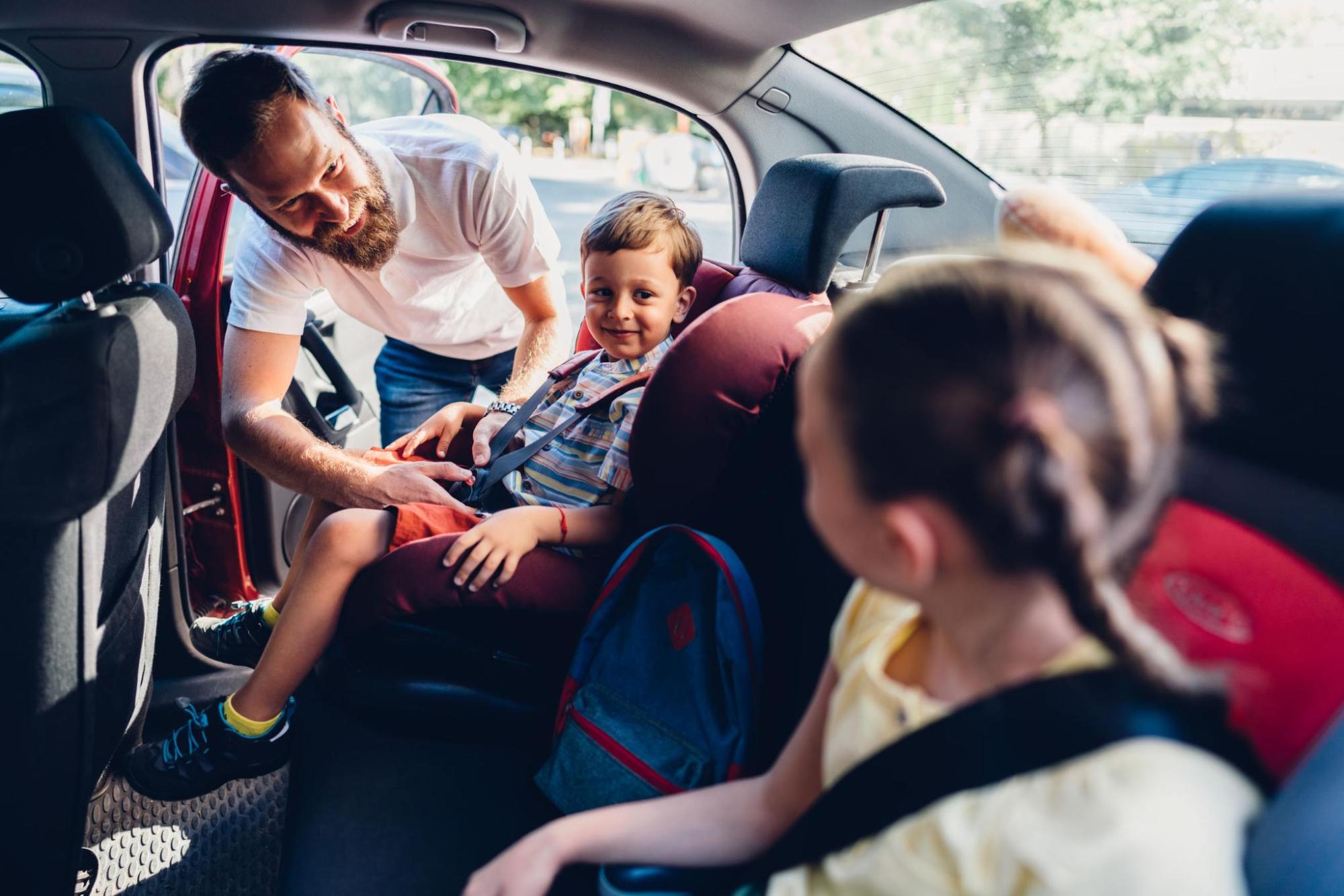
If you’re renting a car, check that it has the safety features and child-seat options you need, as well as basic facilities like a functioning infotainment system. Check the rental company’s policy and the local rules before choosing a child car seat. If you bring your own, make sure it’s suitable for your child, compatible with the vehicle, and fitted according to the manufacturer’s instructions.
Charge all electronic devices
Electronic devices like phones, tablets, and handheld gaming consoles keep everyone independently entertained. Charge all your devices, including power banks, so you don’t run out of battery during the journey. Also, remember to bring extra charging cables and any necessary adapters.
Figure out the route
Being spontaneous adds to the fun of a family road trip, but it can be impractical when traveling long distances with children. For a smoother journey, plan your route, identify roads to avoid, and check whether you’ll encounter toll roads, border crossings, or other delays.
Download offline maps
Mobile networks can be spotty, especially if you pass through tunnels, hilly terrains, and forests. Even bad weather like heavy rains, thunderstorms, and thick fog can disrupt the signal. It’s better to download your maps for offline use, so you’re not entirely dependent on the internet or a mobile connection.
Plan the drive around the children’s routine
Planning longer stretches around your children’s nap times can help make the journey easier, but avoid extending the drive if the driver is tired.
Decide on the number of stops
While a road trip with children can be unpredictable, it’s best to plan some of the main breaks you intend to take. Plan regular opportunities to stop, stretch your legs, eat, and use the bathroom. Additionally, factor in stops at patrol stations or charging stations and sightseeing spots.
Find points of interest
A road trip isn’t just about the drive, but also about the interesting places that you can find along the way. Look for exciting food stops, scenic viewpoints, and family-friendly attractions that are worth a detour.
Estimate the journey time
Think realistically about the length of your family road trip. If you’re traveling with infants or toddlers, allow extra time for frequent and longer breaks. Consider scenarios like impromptu stops and detours to explore nearby landmarks.
Set a daily driving limit
If you’re setting out on a multi-day road trip, decide how much you want to drive each day. Families with pre-teens or teenagers may find it easier to pull through longer stretches. It’s important to be mindful of your family’s limits and divide your journey into manageable parts so that nobody is too tired or overwhelmed.
Determine the non-negotiables
Sit your family down and clearly communicate what the road trip entails. Lay out your plan, decide what landmarks you want to definitely stop at, where you’ll stay each night, and how much screen time the children are allowed. Ensuring everyone is on the same page can go a long way in managing expectations.
Be realistic
Your road trip might not pan out exactly as planned, and that’s perfectly normal. Be prepared for not covering the planned distance, revisiting decisions, or feeling underwhelmed by an attraction you were excited about. Adjust the plan where needed to avoid unnecessary stress. After all, managing your expectations is just as important as managing your itinerary.
Book your stay in advance
Plan your overnight stops as carefully as the route itself. You also need to give a good thought to where you’re going to stay – whether it’s at your final destination or the end of each leg of a multi-day trip. You can browse through family-friendly properties, including hotels, motels, and vacation rentals on Booking.com.
Search for properties with kid-friendly facilities such as a baby crib, high chair, playground, or swimming pool. Check the property’s age restrictions, child policies, and additional charges before booking.

What to pack for a road trip with kids
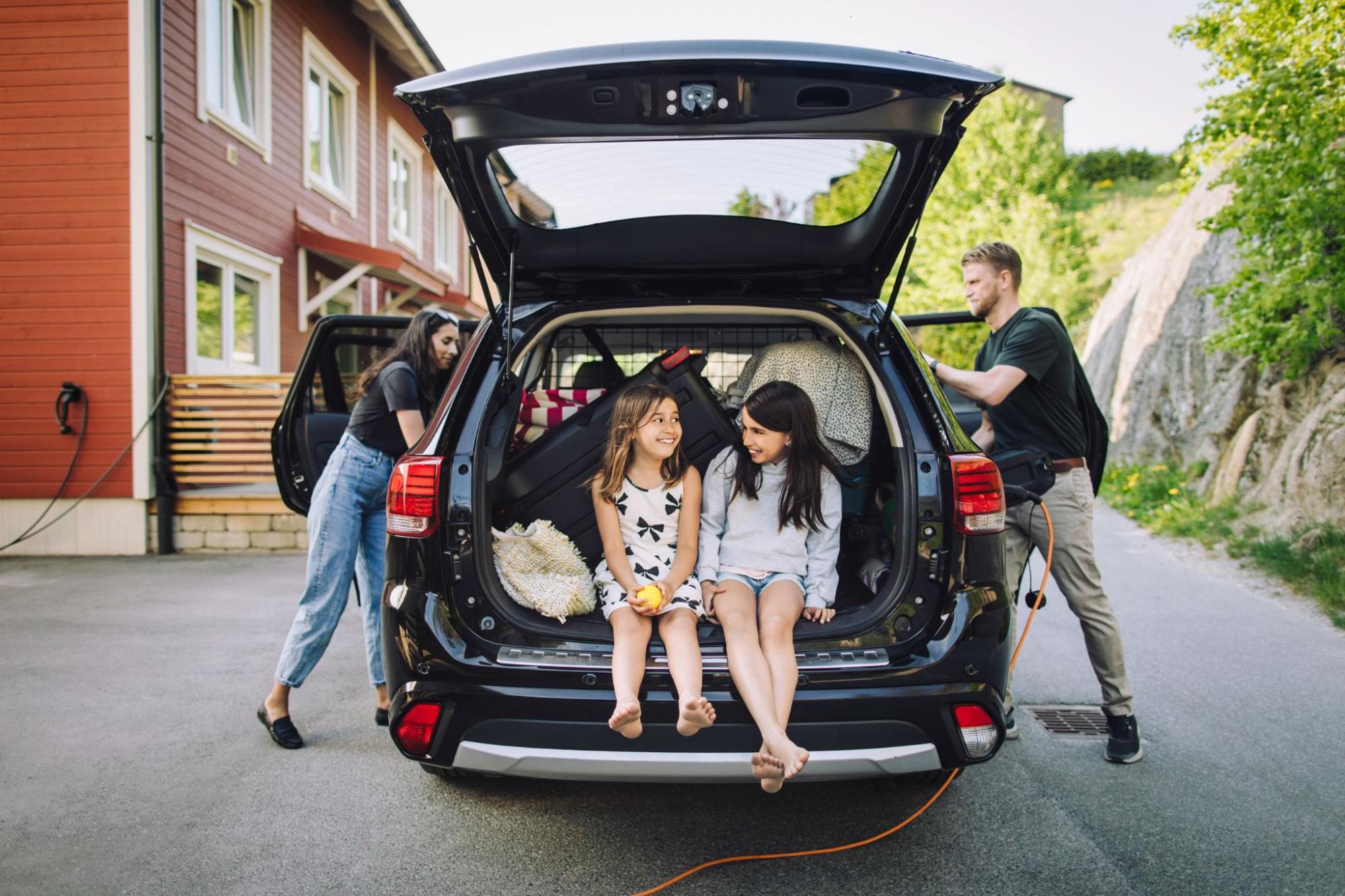
A well-prepared packing list for a road trip with kids makes all the difference. Keep in mind the space in your vehicle, and make a list of everything you need to take with you. Here are a few essentials to get you started:
Electronic items
Devices like phones, e-readers, tablets, and handheld gaming consoles should be on your road trip packing list. Since you may not always have Wifi access or a mobile network while driving, you can download movies, music, and audiobooks for your children beforehand to keep them entertained during parts of the journey.
Spare clothes
Spills and motion sickness can happen. You can be better prepared by packing extra clothes for your kids. In fact, pack spare ones for yourself, too, in case you want to freshen up.
Mess-free snacks
Opt for easy-to-eat snacks to reduce crumbs and spills in the car. Pack apple slices, dried fruits, nuts, and granola bars in airtight bags or boxes for easy, less messy snacking. Choose snacks that suit your children and take account of any allergies. Most importantly, bring water bottles from home and refill them at suitable stops to help everyone drink regularly.
Comfort items and toys
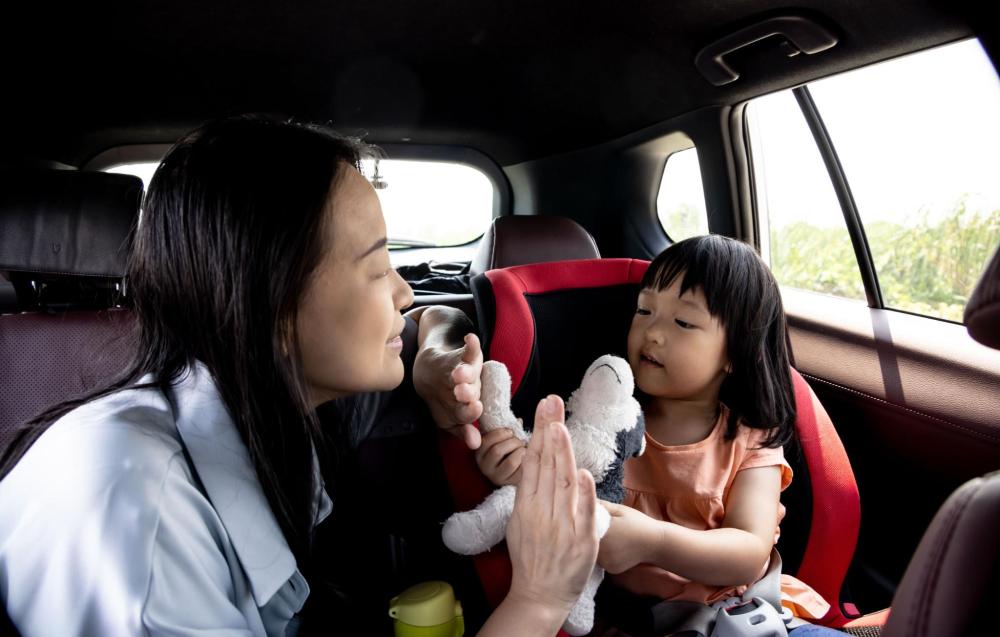
Sitting in a car for long periods can be challenging for children and adults. Pack neck pillows and cozy blankets to make the drive more comfortable. You can also include stuffed animals, books, stickers, and other sensory toys to help keep younger children occupied.
Extra utility items
Include any regular medicines your family needs and a first-aid kit in your packing list and make sure they’re easily accessible to an adult. For roadside bathroom breaks, bring hand sanitizer and wet wipes. Consider packing trash bags to dispose of everything from candy wrappers to diapers.
Other utility items like bibs for babies and a portable toilet for children can also be quite useful. If you’re renting a car, check whether the rental company provides an appropriate child car seat. If not, ask whether you can rent one or bring your own, and check that it is suitable for your child and the vehicle.
On the road
Now that you’re all packed and ready for the drive, here are some tips to make the journey more relaxing and enjoyable:
Keep the kids entertained
Make sure you have enough digital entertainment to keep the kids engaged. These may include music, audiobooks, podcasts, or even your kids’ favorite movies and shows downloaded on a phone or tablet.
Play fun car games together
Car games can help the whole family stay entertained and enjoy the journey together. You can play the classics like “I Spy” and “20 Questions,” or come up with your own fun games to pass the time.
Set ground rules
Having fun is important, but you should also establish rules to maintain order and safety. Follow local seat-belt laws and use an appropriate child restraint for each child. Everyone should wear a seat belt where one is provided, and passengers should avoid distracting the driver
Don’t hesitate to take breaks
Drive at a comfortable pace, accounting for multiple stops to make your overall journey feel more relaxed and less rushed. If you find a park or garden along the way, take a break so that the kids get some outdoor playtime and fresh air. Similarly, don’t hesitate to stop at a gas station a little earlier than you intended to, instead of waiting for your fuel tank to be nearly empty.
Make it a shared experience
Involve the children in small decisions to make them feel included, like asking them where to eat or which song to play next. Actively engage them in a conversation, encouraging them to share their experience of the road trip. You can start small by asking them to describe what they see outside their window, and then move to bigger questions like what they want to do once they reach the destination.
Be flexible
When traveling with children, expect the unexpected. Unexpected situations are likely, including sibling squabbles, tantrums, emergency bathroom stops, and delays. Being flexible can help you handle these situations calmly and smartly.
Celebrate small wins
Keep the little ones excited by celebrating small milestones, like reaching the next planned stop or completing an activity. This can keep spirits high and give the kids something to look forward to.
Build in extra “quiet time”
Sometimes, uninterrupted time together in a car can sometimes feel overwhelming. Meltdowns, tantrums, and arguments can happen. Dedicating some time, whether it’s only a few minutes or an entire hour, for everyone to just be by themselves can be a welcome respite. During this time, nobody’s allowed to talk or make noise. Each passenger can use their quiet time to sleep, read a book, listen to music using headphones, or sit with their thoughts.
Capture memories
You’ll have stories from the road trip to revisit for years to come. You can give your kids a tangible reminder of the adventure by taking plenty of photos and videos, documenting the different parts of your road trip. Stirring landscapes, funny signboards, tired faces, and messy backseats – there’s a lot you can capture. You can also ask your kids to draw a picture or write something about the trip each day to experience the journey through their eyes.
Road rules, children’s car seat requirements, vehicle regulations, and rental-company policies vary between countries and can change over time. Check the latest guidance for every country on your route, as well as your rental company’s terms, before traveling.