
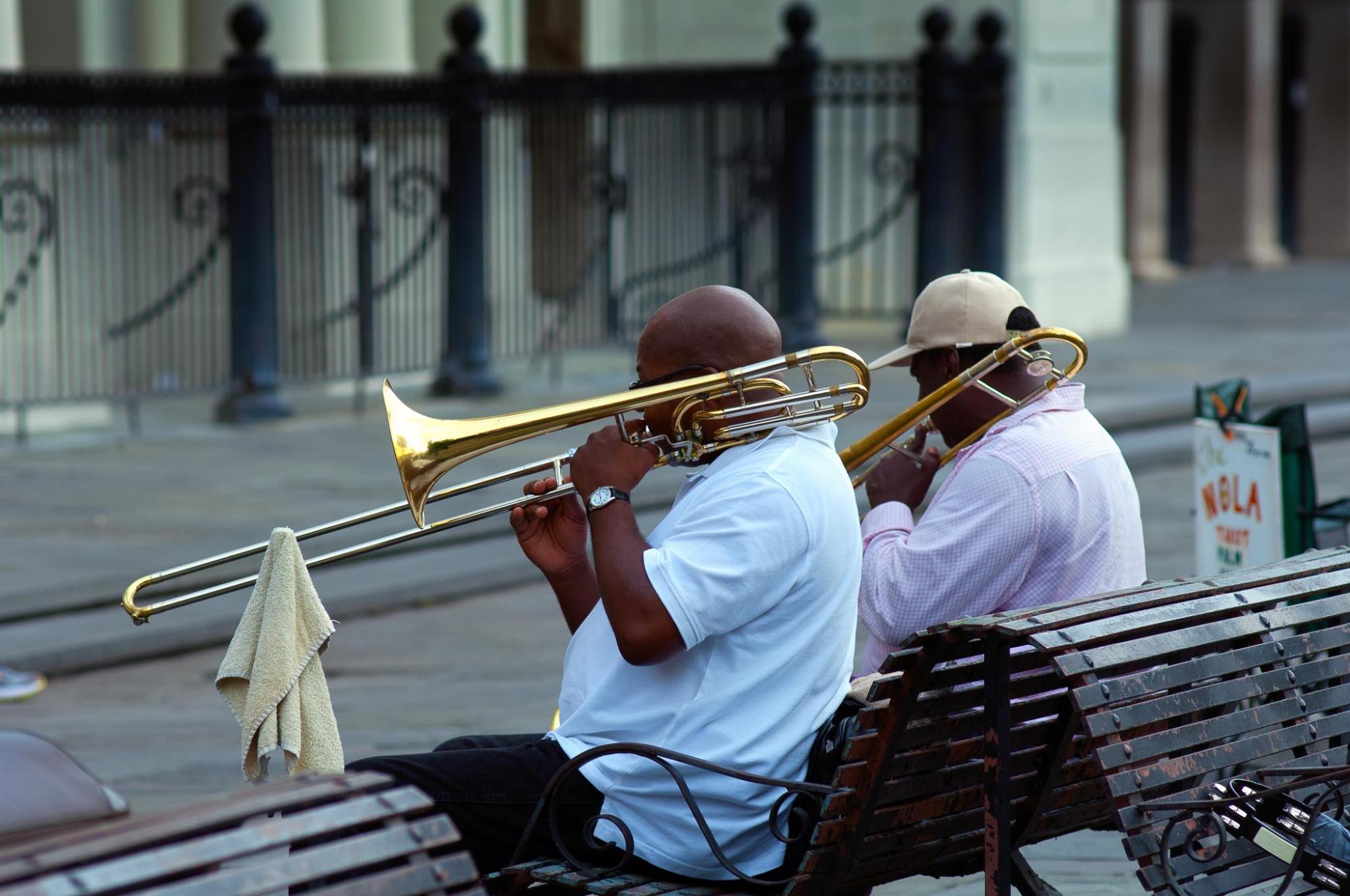
Many parts of New Orleans are best explored on foot or by bicycle. The French Quarter, Marigny and Garden District are particularly walkable neighborhoods with historic streets, cafés, and music venues around nearly every corner.
Visiting New Orleans for the first time is an enriching experience. Known for its jazz music, Creole cuisine, and colorful historic streets, the city blends French, Spanish, and Caribbean influences into a culture entirely its own. Between lively street parades, late-night music clubs, tree-lined courtyards, and the scent of gumbo, the city offers far more than its famous Bourbon Street reputation.
Whether you’re traveling to New Orleans for the first time or returning for another visit, understanding a few local customs, neighborhoods, and travel tips can help you make the most of your trip. After all, once you arrive in the Big Easy, the hardest decision of the day should be which beignet to order.
When to visit New Orleans
New Orleans is a lively destination year round thanks to its warm climate and packed calendar of cultural events and festivals. For many travelers, the best time to visit New Orleans falls during the shoulder seasons of late autumn and early spring, when the weather is pleasant and the crowds are more manageable. Summers in New Orleans tend to be hotter and more humid, but visitors may find fewer crowds and lower accommodation prices.
Peak vs. off-peak
- Peak (festival season) – Peak travel periods in New Orleans usually coincide with major festivals and celebrations. Mardi Gras, which usually falls between February and early March, is the busiest time of year. Hotel prices rise significantly and crowds fill the streets during parades and celebrations. April and May are also busy thanks to events such as French Quarter Fest and the New Orleans Jazz & Heritage Festival.
- Off-peak – The quieter months tend to fall between June and September, when high temperatures and humidity discourage some visitors. Traveling around this time may result in lower hotel prices and fewer crowds at major attractions.
How long to stay in New Orleans
Whether you are planning a quick weekend itinerary or have a full week to explore, New Orleans rewards both short visits and longer stays. The city may be relatively compact compared with other major U.S. destinations, but planning ahead means you’ll give yourself enough time to explore at a relaxed pace.
Three to four days: For first-time visitors to New Orleans, a long weekend is usually enough to explore. Wander by the French Quarter, hear live jazz along Frenchmen Street, sample local favorites such as gumbo and beignets, and join a historic walking tour.
Five to seven days: With a longer stay, travelers can explore neighborhoods such as the Garden District, Bywater, and the Warehouse District. This also allows time for experiences beyond the city center, including swamp tours or riverboat cruises on the Mississippi River.
Over seven days: Spending a week or more in New Orleans allows you to slow down and embrace the city’s everyday pace. From leisurely café breakfasts and afternoon park strolls to evenings listening to live jazz in neighborhood bars, the extra time makes it easier to experience the city like a local.
How to get around New Orleans
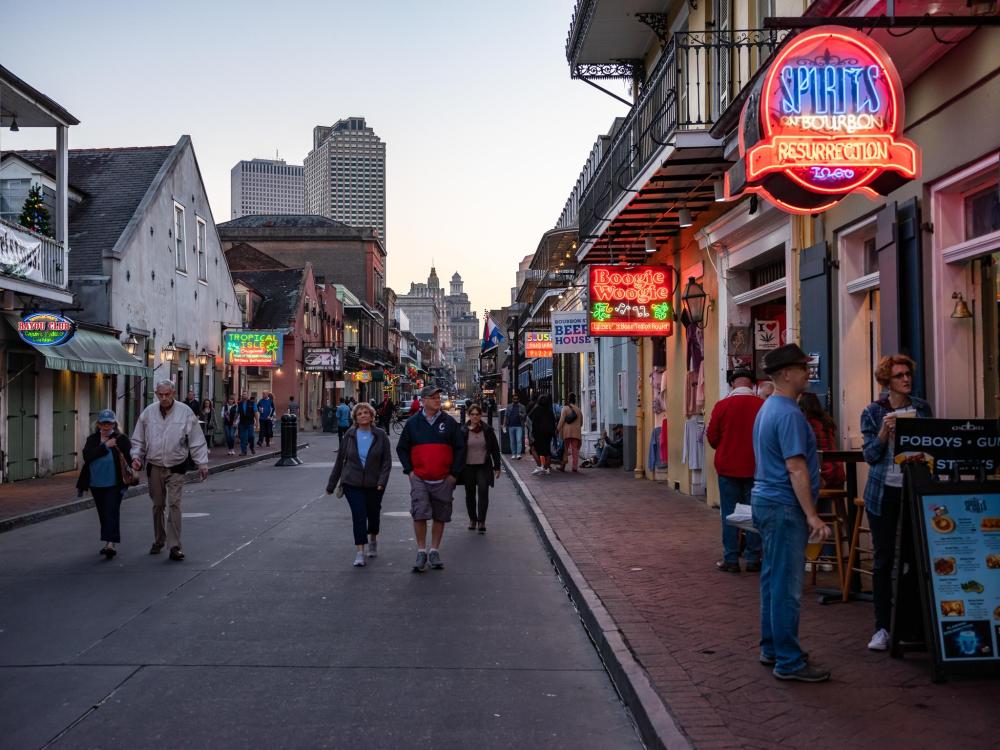
New Orleans is relatively compact, and many of its most famous neighborhoods are located close together. Walking is often the best way to explore historic areas and back streets and most visitors find they don’t need to rent a car. The city also offers several convenient transportation options for traveling further between neighborhoods.
Streetcars
New Orleans’ historic streetcars are one of the city’s most recognizable sights and remain a staple of public transportation. The St. Charles Avenue line runs past grand mansions and oak-lined avenues, connecting Downtown with the Garden District and Uptown. Fares are inexpensive, but passengers paying with cash should bring exact change, as streetcars don’t provide it.
Buses
The Regional Transit Authority operates an extensive bus network that connects areas not served by streetcar lines. Buses are useful for reaching neighborhoods beyond the city center and for traveling longer distances.
Taxis
Taxis are widely available in tourist areas such as the French Quarter and downtown. They can be convenient when traveling with luggage or late at night. Taxi fares are typically metered, though flat rates may apply for airport journeys.
Rideshares
Rideshare services operate throughout New Orleans and are commonly used by visitors. They can be a convenient option when traveling between neighborhoods or returning to your accommodation late at night.
Bicycles and walking
Many parts of New Orleans are best explored on foot or by bicycle. The French Quarter, Marigny, and Garden District are particularly walkable neighborhoods with historic streets, cafés, and music venues around nearly every corner.
To make getting around easier, download the New Orleans RTA Le Pass mobile app (available on Apple and Google Play). The app provides real-time route tracking, maps, and ticket purchases, including the Jazzy Pass, a one-day ticket that allows unlimited rides on RTA services without needing exact change.
Where to stay during your trip to New Orleans
Where you stay in New Orleans sets the tone for how you experience the city’s music, food, and historic atmosphere. The French Quarter places visitors at the heart of the action, with easy access to Bourbon Street, Jackson Square and some of the city’s most famous live music venues.
Neighborhoods such as the Warehouse District and Central Business District offer stylish hotels within walking distance of major attractions, while the Garden District provides a quieter setting surrounded by historic mansions and leafy streets.
For first-time visitors, choosing accommodation near the French Quarter or along a streetcar line makes it easy to explore the city’s neighborhoods and major sights.
Essential things to know about New Orleans
New Orleans is a city rich in culture, customs, and traditions, many of which reflect its French, Spanish, and Creole heritage. So understanding local customs can help you feel right at home in the Big Easy.
Know the local tipping etiquette
Tipping is standard in New Orleans, as it is throughout the United States. In restaurants, a gratuity of 18–20% is typical for good service. Bartenders, taxi drivers, and hotel staff are also usually tipped.
Make the most of go-cups
One of the most distinctive customs in New Orleans is the use of “go-cups.” These plastic cups allow visitors to take alcoholic drinks to go from bars or restaurants. In many areas, particularly the French Quarter, it’s legal to carry drinks while walking through the streets, as long as they remain in plastic containers. Glass containers aren’t permitted.
Bring cash
Although most places accept credit cards, smaller bars, music venues, and neighborhood cafés may still prefer cash. Carrying small bills also makes it easier to tip musicians and street performers.
Expect live music everywhere
Music is part of everyday life in New Orleans. From street performers in the French Quarter to late-night jazz clubs on Frenchmen Street, live music is rarely far away. For many locals and visitors, Frenchmen Street in the nearby Marigny neighborhood is one of the best places to hear live jazz and blues in intimate venues.
Explore beyond Bourbon Street
While Bourbon Street is famous for its nightlife, much of the French Quarter has a very different atmosphere. Just a few blocks away you’ll find quieter streets, historic courtyards, art galleries, and traditional restaurants that reveal the neighborhood’s deeper history.
Keep an eye out for the Hurricane cocktail
New Orleans is famous for the Hurricane, a rum-based cocktail popularized at Pat O’Brien’s bar in the French Quarter during the 1940s. The bright red drink, traditionally served in a curved hurricane glass, has become one of the city’s signature beverages. Many bars across the city serve their own versions, making it a classic drink to try while exploring New Orleans.
Pace yourself
New Orleans is known for its food, nightlife, and celebrations, but visitors quickly learn that the city is best enjoyed at a slower pace. Taking time to relax in cafés, explore neighborhood streets, and enjoy live music is part of the experience.
Follow Mardi Gras etiquette
If you’re visiting during Mardi Gras season, a few simple etiquette rules help keep the celebrations safe and enjoyable for everyone:
- Stay behind parade barricades
- Avoid throwing items back at floats
- Don’t pick up beads or throws from the street
- Be respectful of other spectators’ space
- Try to make sure children have a chance to catch throws
- Glass containers aren’t permitted
- Plan transportation in advance as many streets close during parades

Top things to do when visiting New Orleans
New Orleans blends historic landmarks, vibrant music, and culinary traditions into one unforgettable destination. Many first-time visitors begin by:
- Exploring the French Quarter on foot, including Jackson Square and St. Louis Cathedral
- Starting the day with beignets and chicory coffee at Café du Monde
- Riding the St. Charles Avenue streetcar and strolling through the Garden District
- Enjoying live jazz performances on Frenchmen Street
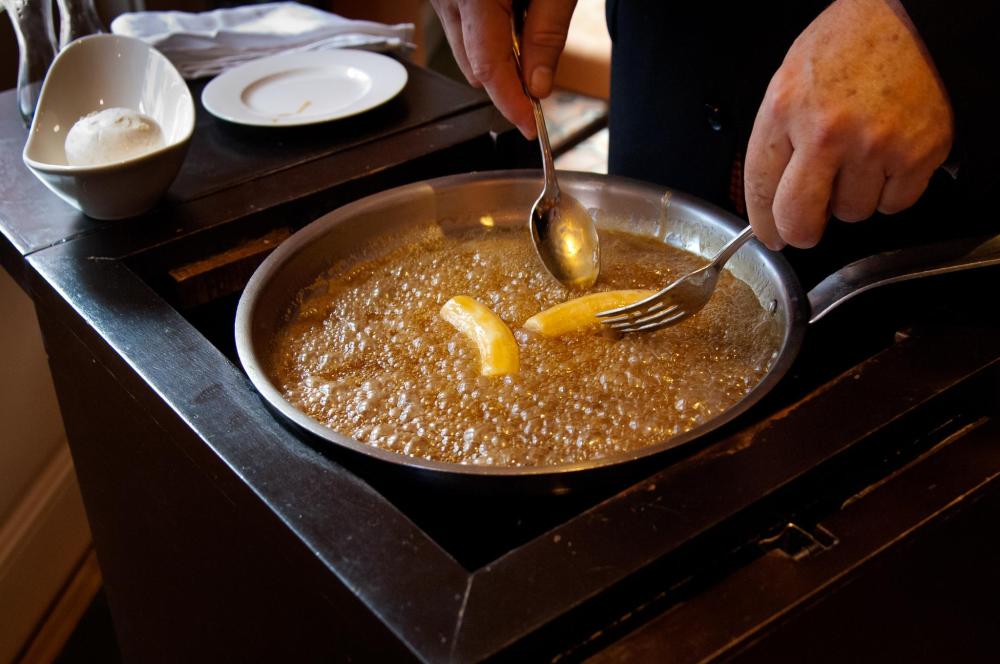
- Sampling classic dishes such as gumbo, po’boys, and jambalaya
- Venturing beyond the city center for a swamp tour or a Mississippi River steamboat cruise
New Orleans travel tips: Hidden gems
Beyond the famous landmarks, some of the city’s most memorable moments happen in quieter neighborhoods. Visit the Besthoff Sculpture Garden in City Park for a peaceful outdoor art experience, or explore Crescent Park for sweeping views of the Mississippi River. You can also learn about the culture of the historic Mardi Gras masking tradition at the Backstreet Cultural Museum.
Preparing for your visit to New Orleans
New Orleans is a city best experienced with curiosity and a little spontaneity. Between the live music drifting through historic streets, the rich Creole cuisine and the vibrant neighborhood culture, the experience is as much about atmosphere as it is about attractions.
Whether you’re visiting New Orleans for the first time or returning to discover more, understanding a few local customs and planning around the city’s festival calendar can help make your trip even more enjoyable. Leave time to wander, follow the sound of jazz, and try something new, because in New Orleans the most memorable moments often happen when you least expect them.
Disclaimer: The views and opinions expressed are those of the author and do not necessarily reflect the official policy or position of our company.