What is glamping? 12 glamping tips for your next trip

- Plan your meals and pack easy-to-cook food, snacks, and treats
- Glamping accommodations range from premium tents, yurts, cabins, treehouses, covered wagons, and tipi tents
- Some glamping accommodations are fully wired, while others run on solar or have nothing at all.
Definition of glamping
If you’ve ever wanted to spend time in the great outdoors but couldn’t quite commit to the idea of setting up a tent and living off the grid, then glamping might just be a good middle ground for you. But what is glamping exactly?
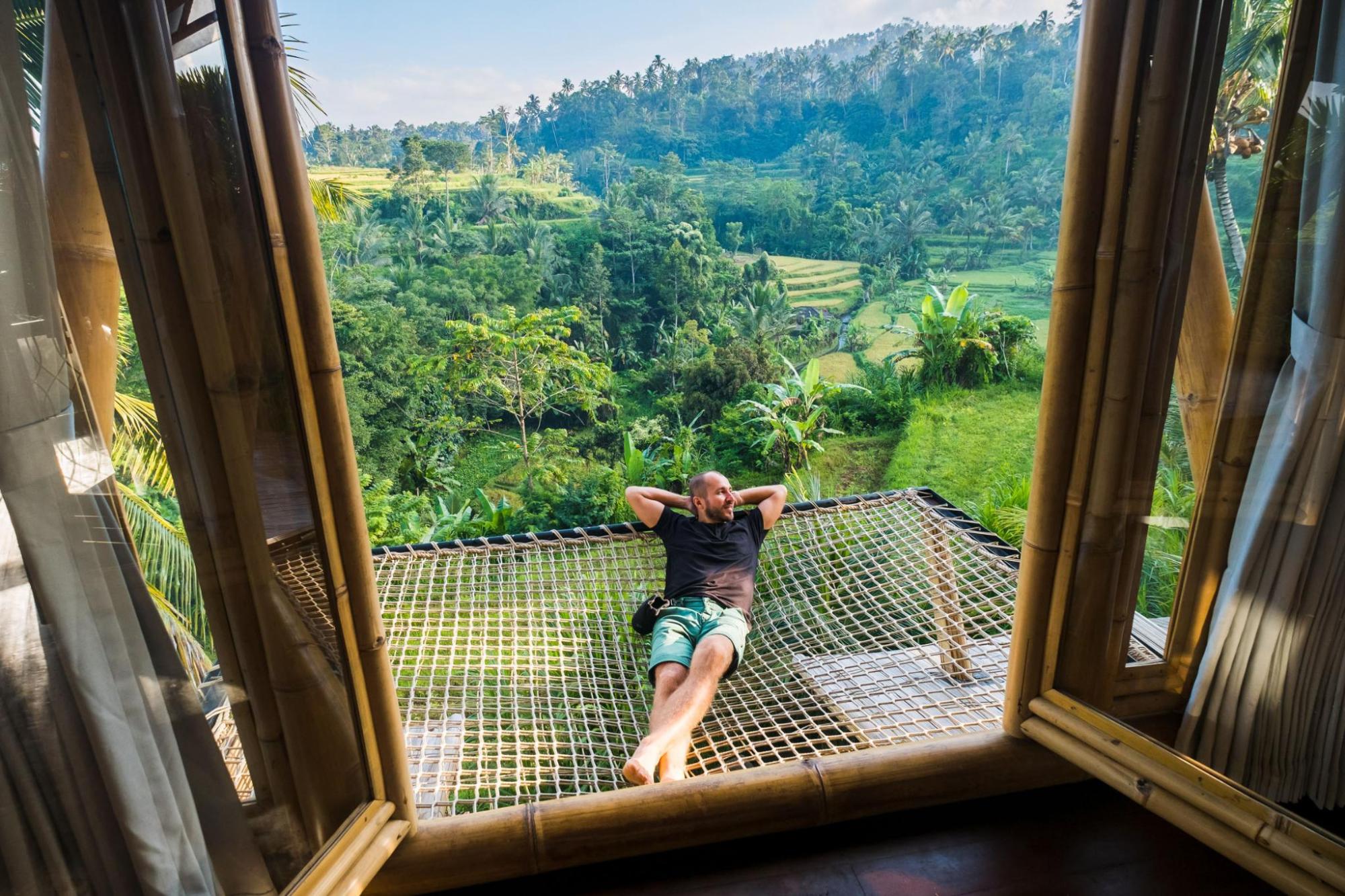
The term ‘glamping’ means ‘glamorous camping’ – blending adventures in nature and camping with added comfort. On a glamping trip, you can sleep under the stars but in a comfortable bed with fresh linen, proper lighting and a private bathroom. It’s camping, with more comfort and convenience.
Glamping has become more popular in recent years as more people look for memorable travel experiences. Whether you travel often, need a break from the city, or just want to try something a bit different, this information on glamping can help you plan a fun and comfortable experience.
Benefits of glamping
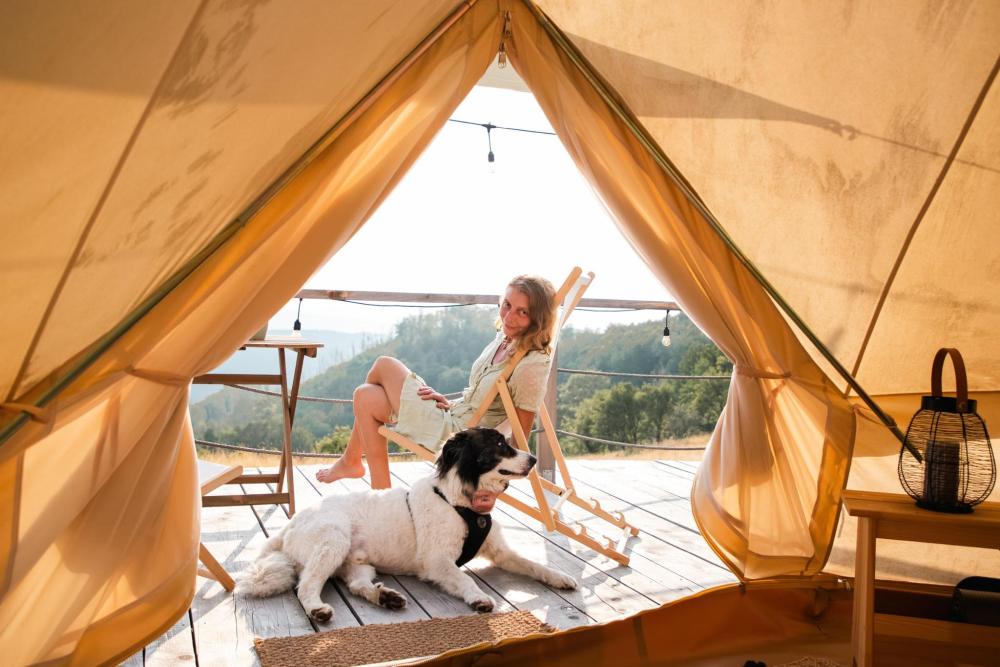
One of the biggest advantages of glamping is that it can be more comfortable than traditional camping. Traditional camping usually means pitching your tent, dealing with unpredictable weather and sleeping on the ground. Glamping can make those parts of the experience easier, with things like a hot shower and wireless internet. It can also be a good option for people who are new to outdoor vacations.
Glamping for beginners is all about ease, fun and letting someone else take care of the hard parts. This way, you don’t have to invest in camping gear or learn how to build a fire. Instead, everything’s ready for you so that you can enjoy the fresh air and beautiful locations.
Many glamping accommodations are built with sustainability in mind, incorporating features like solar panels, compost toilets, and local materials.

Types of glamping accommodation
Glamping includes a wide variety of accommodation types. Here are some popular ones:
- Premium tents: often a step up from regular camping tents, these tents are usually equipped with proper beds, lighting and an en suite.
- Yurts: these spacious circular tents come with wooden frames and often have stoves, rugs and furnishings.
- Cabins: similar to a wooden cottage in the woods, cabins have solid walls and are more private.
- Treehouses: this is a fun option with great views. Some even have glass roofs for stargazing and wraparound decks.
- Covered wagons: these look like something from an old Western movie but can be pretty comfortable. They typically have heating, cozy beds and small kitchenettes.
- Tipi tents: stylish and spacious, tipi tents are often decorated with string lights and set up around a fire pit.
Each option offers its own memorable experience, so you can choose the one that suits your comfort level best.
Glamping essentials you need to know before you go
Even though glamping is easier than regular camping, it’s still good to plan ahead. Here are some helpful glamping tips to keep in mind:
1. Check what the accommodation offers before packing
Remember that every site is different. Some provide bedding, towels and food, while others expect you to bring your own. Always check the items included before you pack.
2. Bring the basics
Pack a few essentials, even in more comfortable settings. Key items include a flashlight, insect repellent, warm clothing, batteries, power banks, chargers and a first aid kit.
3. Know your surroundings
Do some research on the area in advance. Find out if there is wildlife in the surroundings, what the weather is like and where the nearest shops are, among other things. Knowing these details will help you plan better.
4. Meal preparation
While some glamping accommodations offer fully equipped kitchens or barbecue areas, others are more basic. Plan your meals and pack accordingly – easy-to-cook food, snacks and treats are a good idea.
5. Bedding
If the accommodation doesn’t offer bedding, bring a sleeping bag or blankets. Even if it does, you might still want to bring your favorite pillow or throw from home for added comfort.
6. Facilities
Certain glamping accommodations include extra features like heated tubs, board games or fireplaces. Check in advance what’s included and whether you need to bring anything, such as swimwear.
7. Appliances
Find out in advance what appliances are available on the site. Check if it has a fridge, kettle, stove, etc. This will help you pack more efficiently and avoid unnecessary problems.
8. Electricity
Some glamping accommodations are fully wired, while others run on solar or have nothing at all. If you need to charge devices, it’s best to bring a battery pack or power bank.
It’s always better to check in advance to prevent unwanted surprises.
9. Bathrooms
Some locations have private bathrooms, while others have shared or even outdoor ones. If this matters to you, check the setup in advance. Consider bringing wet wipes, hand sanitizer and some form of soap, just in case.
10. Footwear
Even if your stay is well equipped, you’ll almost certainly be walking on grass, gravel or uneven terrain. Bring sturdy yet comfortable shoes, some socks and slippers for indoors.
11. Entertainment
There’s a chance you won’t benefit from a strong internet connection in the area, so it might be a good idea to pack books, a deck of cards or even download a movie ahead of time.
12. Transportation
Some sites are tucked away in remote areas, so you may need to rent a car to reach them. Others are more accessible, and you can travel by train or fly to the nearest airport. Planning your transport in advance can help you avoid last-minute stress.